Athletic Fatigue: Part 1

Interpreting athletic fatigue is not easy. Consideration has to be given to context and time scale. What are the markers and metrics that can help identify where an athlete lies in the optimal balance between training, recovery and nutrition which support beneficial adaptations to exercise whilst avoiding the pitfalls of fatigue and maladaptation? This blog will discuss the mechanisms of athletic fatigue in the short term.
Screen Shot 2017-08-30 at 09.17.58
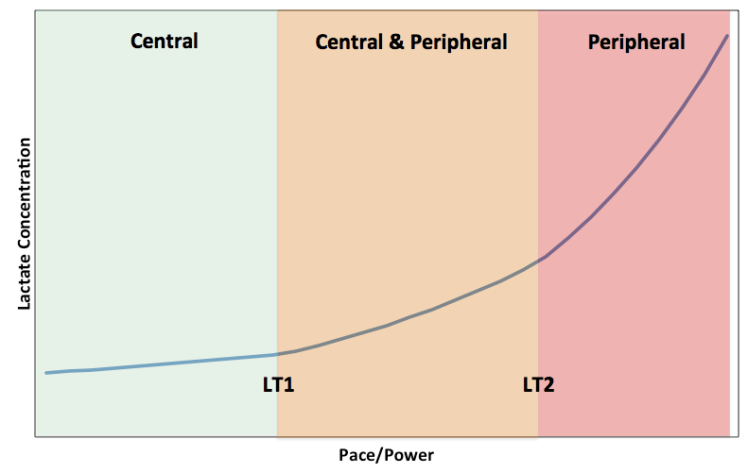
Proposed causes of fatigue dependent on duration and intensity of training session

In the short term, during an endurance training session or race, the temporal sequence of athletic fatigue depends on duration and intensity. It is proposed that below lactate threshold (LT1), a central mechanism governs: increasing central motor drive is required to maintain skeletal muscular power output until neuromuscular fatigue cannot be overcome. From lactate threshold (LT1) to lactate turn point (LT2), a combination of central and peripheral factors (such as glycogen depletion) are thought to underpin fatigue. During high intensity efforts, above LT2 (which correspond to efforts at critical power), accumulation of peripheral metabolites and inability to restore homeostasis predominate in causing fatigue and ultimately inability to continue, leading to “task failure”. Of course there is a continuum and interaction of the mechanisms determining this power-duration relationship. As glycogen stores deplete this impacts muscle contractility by impairing release of calcium from the sarcoplasmic reticulum in skeletal muscle. Accumulation of metabolites could stimulate inhibitory afferent feedback to central motor drive for muscle contraction, combined with decrease in blood glucose impacting central nervous system (CNS) function.

Even if you are a keen athlete, it may not be possible to perform a lactate tolerance or VO2 max test under lab conditions. However a range of metrics, such as heart rate and power output, can be readily collected using personalised monitoring devices and then analysed. These metrics are related to physiological markers. For example heart rate and power output are surrogate markers of plasma lactate concentration and thus can be used to determine training zones.

A training session needs to provoke a degree of training stress, reflected by some short term fatigue, to set in motion adaptations to exercise. At a cellular level this includes oxidative stress and exerkines released by exercising tissues, backed up by Endocrine responses that continue to take effect after completing training during recovery and sleep. Repeated bouts of exercise training, followed by adequate recovery, result in a stepwise increase in fitness. Adequate periodised nutrition to match variations in demand from training also need to be factored in to prevent the Endocrine system dysfunction seen in Relative Energy Deficiency in Sports (RED-S), which impairs Endocrine response to training and sports performance. Integrated periodisation of training/recovery/nutrition is essential to support beneficial multi-system adaptations to exercise on a day to day time scale, over successive training blocks and encompassing the whole training and competition season. Psychological aspects cannot be underestimated. At what point does motivation become obsession?

In Part 2 the causes of athletic fatigue over a longer time scale will be discussed, from training blocks to encompassing whole season.

For more discussion on Health, Hormones and Human Performance come to the British Association of Sport and Exercise Medicine annual conference

Presentations

References

Endocrine system: balance and interplay in response to exercise training

Power–duration relationship: Physiology, fatigue, and the limits of human performance European Journal of Sport Science 2016

Strava Ride Statistics Science4Performance 2017

Sleep for health and sports performance Dr N Keay, British Journal of Sports Medicine 2017

Relative Energy Deficiency in Sports (RED-S) Practical Considerations for Endurance Athletes

Sports Endocrinology – what does it have to do with performance? Dr N Keay, British Journal of Sports Medicine 2017

Optimal Health: For All Athletes! Part 4 – Mechanisms Dr N Keay, British Association of Sport and Exercise Medicine 2017

Addiction to Exercise – what distinguishes a healthy level of commitment from exercise addiction? Dr N Keay, British Journal of Sports Medicine 2017


Ubiquitous Microbiome: impact on health, sport performance and disease

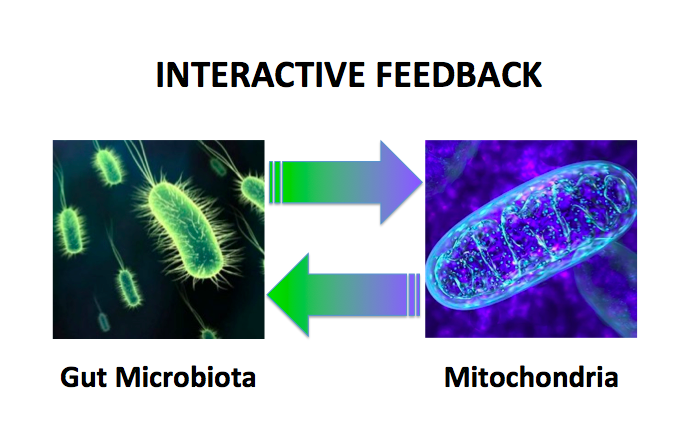
Microbiome Mitochondria Feedback

The gut microbiome plays a key role in regulating the optimal degree of response to exercise required to stimulate desired adaptive changes.

We have at least as many bacterial cells as human cells in our bodies. We are all familiar with the effects of disturbing the balance of beneficial microbes in our gut. Beyond this, the gut microbiome (the range of microbes, their genetic material and metabolites) is essential for health. An interactive feedback exists between gut microbiota and functional immunity, inflammation, metabolism and neurological function

Sports performance: endurance exercise increases metabolic, oxidative and inflammatory stress, signalled by the release of exerkines from exercising tissue. This signalling network induces adaptive responses mediated via the Endocrine system. Maladaptation to exercise can be due either to an undesirable over-response or an insufficient response.

Intricate interactive feedback links exist between mitochondria and the gut microbiota. In addition to being the power generators of all metabolically active cells, mitochondria produce reactive oxygen species (ROS) and reactive nitrogen species during high intensity exercise. These oxidative stress signals not only mediate adaptive responses to exercise during recovery, but influence gut microbiota by regulating intestinal barrier function and mucosal immune response. Mitochondrial genetic variation could influence mitochondrial function and thus gut microbiota composition and function. Equally, the gut microbiota and its metabolites, such as short chain fatty acids, impact mitochondrial biogenesis, energy production and regulate immune and inflammatory responses in the gut to mitochondrial derived oxidative species. So nutritional strategies to support favourable gut microbiota would potentially support the beneficial effects of the interactions described above to optimise sport performance in athletes.

Conversely, disruption to favourable diversity of the gut microbiota, dysbiosis, is associated with increase in both inflammation and oxidative stress. Not a good situation for either health or sport performance. Alteration to the integrity of the intestinal wall increasing permeability can also be a factor in disrupting the composition of the gut microbiota. The resultant increased antigen load due to bacterial translocation across the gut wall is linked to increased inflammation, oxidative stress and metabolic dysfunction. “Leaky gut” can occur in high level endurance exercise where splanchnic blood flow is diverted away from the gut to exercising tissues for long periods of time, resulting in relative hypo-perfusion and an effective re-perfusion injury on stopping exercise. In the longer term the increased levels of inflammation, oxidative stress and antigen load impair adaptation to exercise and are associated with endocrine dysfunction in chronic disease states, for example autoimmune conditions, metabolic syndrome (type 2 diabetes mellitus, obesity) and depression.

Evidence links the composition of the gut microbiota to changes in circulating metabolites and obesity. For example, low abundance of certain species of gut microbiota reduces levels of circulating amino acid glutamine, which acts as a neurotransmitter precursor. Bariatric surgery is associated with changes in the release of gut hormones regulating food intake behaviour and energy homeostasis. In addition, beneficial changes are seen in the gut microbiota which could directly or indirectly support weight loss, via action on gut hormones.

Metformin is frequency used to improve insulin sensitivity in both type 2 diabetes mellitus and polycystic ovary syndrome. However, the mechanism is poorly understood. There is now evidence that the effect of metformin is mediated via changes in gut microbiota diversity. Transfer of stool from those treated with metformin improves insulin sensitivity in mice. In addition metformin regulates genes in some gut microbiota species that encode metalloproteins or metal transporters, which are know to be effective ligands. The pathophysiology of metabolic syndrome and obesity involves an inflammatory component which is triggered by gut dysbiosis and bacterial translocation, with increased generation of oxidative species. Probiotics have a potential role in regulating the redox status of the host via their metal ion chelating ability and metabolite production, which has an impact on the production of ROS and associated signalling pathways. Prebiotics found in dietary polyphenols promote these actions of favourable gut microbiota, which is of benefit in metabolic syndrome.

Recently it has been postulated that the gut microbiome, apart from playing a crucial role in health and pathogenesis of disease states, also impacts brain development, maturation, function and cognitive processes.

Understanding the role of the gut microbiome on metabolism, inflammation and redox status is very relevant to athletes where an optimal response to exercise training supports adaptations to improve performance, whereas an over or under response in these pathways results in maladaptive responses.

For further discussion on Health, Hormones and Human Performance, come to the BASEM annual conference

Presentations

References

Endocrine system: balance and interplay in response to exercise training Dr N. Keay

Inflammation: Why and How Much? Dr N.Keay, British Association of Sport and Exercise Medicine 2017

The Crosstalk between the Gut Microbiota and Mitochondria during Exercise Front Physiol. 2017

Gut Microbiota, Bacterial Translocation, and Interactions with Diet: Pathophysiological Links between Major Depressive Disorder and Non-Communicable Medical Comorbidities Psychother Psychosom 2017

Gut microbiome and serum metabolome alterations in obesity and after weight-loss intervention Nature Medicine 2017

Metformin alters the gut microbiome of individuals with treatment-naive type 2 diabetes, contributing to the therapeutic effects of the drug Nature Medicine 2017

L’altération de la perméabilité intestinale : chaînon manquant entre dysbiose et inflammation au cours de l’obésité ? Med Sci (Paris)

Antioxidant Properties of Probiotic Bacteria  Nutrients 2017

The Impact of Gut Microbiota on Gender-Specific Differences in Immunity Front. Immunol 2017

Commentary: Dietary Polyphenols Promote Growth of the Gut Bacterium Akkermansia muciniphila and Attenuate High-Fat Diet-Induced Metabolic Syndrome Front. Immunol., 27 July 2017

Gut microbial communities modulating brain development and function Gut Microbes


Temporal considerations in Endocrine/Metabolic interactions Part 2

LifeSeasonDay

As discussed in the first part of this blog series, the Endocrine system displays temporal variation in release of hormones. Amplitude and frequency of hormonal secretion display a variety of time-related patterns. Integrating external lifestyle factors with this internal, intrinsic temporal dimension is crucial for supporting metabolic and Endocrine health and sport performance.

Circadian misalignment and sedentary lifestyle has been implicated in the increased incidence of metabolic syndrome driven by insulin resistance and associated metabolic inflexibility and decrease in fat oxidation. However, a recent study of overweight individuals, found that increases in fat oxidation from lifestyle intervention, corresponded to different clinical outcomes. Both those who maintained weight loss and those who regained weight displayed increased fat oxidation compared to baseline. How could this be? Increased fat oxidation is only part of the equation in overall fat balance. What adaptations in the metabolic and Endocrine networks were occurring during rest periods? In the case of those that maintained weight loss, increased fat oxidation was reflected in biochemical and physiological adaptations to enable this process. Whereas for those that regained weight in the long term, increased fat oxidation was enabled by increased availability of lipids, indicating increased fat synthesis over degradation.

Clearly there is individual variation in long-term Endocrine and metabolic responses to external factors. Focusing on optimising a single aspect of metabolism in the short term, will not necessarily produce the expected, or desired clinical outcome over a sustained period of time. As previously discussed the single most effective lifestyle change that induces synchronised, beneficial sustained Endocrine and metabolic adaptations is exercise.

It will come as no surprise that focusing on maximising use of a single substrate in metabolism, without integration into a seasonal training plan and consideration of impacts on internal control networks, has not produced the desired outcome of improved performance amongst athletes. Theoretically, increasing fat oxidation will benefit endurance athletes by sparing glycogen use for high intensity efforts. Nutritional ketosis can be endogenous (carbohydrate restricted intake) or exogenous (ingestion of ketone esters and carbohydrate). Low carbohydrate/high fat diets have been shown in numerous studies to increase fat oxidation, however, this was at the expense of effective glucose metabolism required during high intensity efforts. Potentially there could be adverse effects of low carbohydrate intake on gut microbiota and immunity.

This effect was observed even in a study on a short timescale using a blinded, placebo-controlled exogenous ketogenic intervention during a bicycle test, where glycogen was available as a substrate. The proposed mechanism is that although ketogenic diets promote fat oxidation, this down-regulates glucose use, as a respiratory substrate. In addition, fat oxidation carries a higher oxygen demand for a lower yield of ATP, compared to glucose as a substrate in oxidative phosphorylation.

Metabolic flexibility the ability to use a range of substrates according to requirement, is key for health and sport performance. For example, during high intensity phases of an endurance race, carbohydrate will need to be taken on board, so rehearsing what types/timing of such nutrition works best for an individual athlete in some training sessions is important. Equally, some low intensity training sessions with low carbohydrate intake could encourage metabolic flexibility. However, in a recent study “training low” or periodised carbohydrate intake failed to confer a performance advantage. I would suggest that the four week study time frame, which was not integrated into the overall training season plan, is not conclusive as to whether favourable long term Endocrine and metabolic adaptations would occur. A review highlighted seasonal variations in male and female athletes in terms of energy requirements for different training loads and body composition required for phases of training blocks and cycles over a full training season.

Essentially an integrated periodisation of training, nutrition and recovery over a full training season will optimise the desired Endocrine and metabolic adaptations for improved sport-specific performance. The emphasis will vary over the lifespan of the individual. The intricately synchronised sequential Endocrine control of the female menstrual cycle is particularly sensitive to external perturbations of nutrition, exercise and recovery. Unfortunately the majority of research studies focus on male subjects.

In all scenarios, the same fundamental temporal mechanisms are in play. The body seeks to maintain homeostasis: status quo of the internal milieu is the rule. Any external lifestyle factors provoke short term internal responses, which are regulated by longer term Endocrine network responses to result in metabolic and physiological adaptations.

For further discussion on Health, Hormones and Human Performance, come to the BASEM annual conference

References

Temporal considerations in Endocrine/Metabolic interactions Part 1 Dr N. Keay

Sports Endocrinology – what does it have to do with performance? Dr N.Keay, British Journal of Sports Medicine 2017
Sedentary behaviour is a key determinant of metabolic inflexibility Journal of Physiology 2017

Influence of maximal fat oxidation on long-term weight loss maintenance in humans Journal of Applied Physiology 2017

One road to Rome: Metabolic Syndrome, Athletes, Exercise Dr N.Keay 2017

Metabolic and Endocrine System NetworksDr N. Keay 2017

Nutritional ketone salts increase fat oxidation but impair high-intensity exercise performance in healthy adult males Applied Physiology, Nutrition, and Metabolism 2017

Endocrine system: balance and interplay in response to exercise training Dr N. Keay 2017

No Superior Adaptations to Carbohydrate Periodization in Elite Endurance Athletes Medicine & Science in Sports & Exercise 2017

Total Energy Expenditure, Energy Intake, and Body Composition in Endurance Athletes Across the Training Season: A Systematic Review Sports Medicine – Open 2017

Successful Ageing Dr N. Keay, British Association of Sport and Exercise Medicine 2017

Optimal Health: For All Athletes! Part 4 – Mechanisms Dr N. Keay, British Association of Sport and Exercise Medicine 2017


Temporal considerations in Endocrine/Metabolic interactions Part 1

LifeSeasonDay

It is not a simple question of what, but when we eat, sleep and exercise.

The Endocrine system displays temporal variation in release of hormones. Integrating external lifestyle factors with this internal, intrinsic temporal dimension is crucial for supporting metabolic and Endocrine health.

Amplitude and frequency of hormonal secretion display a variety of temporal patterns:

  • Diurnal variation, synchronised with external light/dark. Orchestrated by a specific area of the hypothalamus, the neuroendocrine gatekeeper.
  • Circadian rhythm, roughly 24-25 hours which can vary with season according to duration of release of melatonin from the pineal gland.
  • Infradian rhythms longer than a day, for example lunar month seen in patterns of hypothalamic-pituitary-ovarian axis hormone release during the menstrual cycle.
  • Further changes in these temporal release and feedback patterns occur over a longer timescale during the lifespan.

Hormones influence gene expression and hence protein synthesis over varying timescales outlined above. The control system for hormone release is based on interactive feedback loops. The hypothalamus is the neuroendocrine gatekeeper, which integrates external inputs and internal feedback.  The net result is to maintain intrinsic biological clocks, whilst orchestrating adaptations to internal perturbations stimulated by external factors such as sleep pattern, nutrition and exercise.

Circadian alignment refers to consistent temporal patterns of sleep, nutrition and physical activity. Circadian misalignment affects sleep-architecture and subsequently disturbs the interaction of metabolic and Endocrine health. This includes gut-peptides, glucose-insulin interaction, substrate oxidation, leptin & ghrelin concentrations and hypothalamic-pituitary-adrenal/gonadal-axes. The main stimuli for growth hormone release are sleep and exercise. Growth hormone is essential for supporting favourable body composition. These integrated patterns of environmental factors may have a more pronounced effect on those with a genetic predisposition or during crucial stages of lifespan. For example curtailed sleep during puberty can impact epigenetic factors such as telomere length and thus may predispose to metabolic disruption in later life. Regarding activity levels, there are strong relationships between time spent looking at screens and markers, such as insulin resistance, for risk of developing type 2 diabetes mellitus in children aged 9 to 10 years.

In addition to adverse metabolic effects set in motion by circadian misalignment, bone turnover has also shown to be impacted. Circadian disruption in young men resulted in uncoupling of bone turnover, with decreased formation and unchanged bone resorption as shown by monitoring bone markers. In other words a net negative effect on bone health, which was most pronounced in younger adult males compared with their older counterparts. These examples underline the importance of taking into account changes in endogenous temporal patterns during the lifespan and hence differing responses to external lifestyle changes.

For male and female athletes, integrated periodised training, nutrition and recovery has to be carefully planned over training seasons to support optimal adaptations in Endocrine and metabolic networks to improve performance. Training plans that do not balance these all these elements can result in underperformance, potentially relative energy deficiency in sport and consequences for health in both short and long term.

Part 2 will consider the longer term consequences and interactions of these temporal patterns of lifestyle factors, including seasonal training patterns in male and female athletes, on the intrinsic biochronometry controlling the Endocrine and metabolic networks during lifespan.

For further discussion on Health, Hormones and Human Performance, come to the BASEM annual conference

References

Sports Endocrinology – what does it have to do with performance? Dr N.Keay, British Journal of Sports Medicine 2017

One road to Rome: Metabolic Syndrome, Athletes, Exercise Dr N. Keay

Metabolic and Endocrine System Networks Dr N. Keay

Endocrine system: balance and interplay in response to exercise training Dr N.Keay

Sleep for health and sports performance Dr N.Keay, British Journal of Sports Medicine 2017

Factors Impacting Bone Development Dr N. Keay

Sleep, circadian rhythm and body weight: parallel developments Proc Nutr Soc

Sleep Duration and Telomere Length in Children Journal of Paediatrics 2017

Screen time is associated with adiposity and insulin resistance in children Archives of Disease in Childhood

Circadian disruption may lead to bone loss in healthy men Endocrine today 2017

Successful Ageing Dr N. Keay, British Association of Sport and Exercise Medicine 2017

Clusters of Athletes – A follow on from RED-S blog series to put forward impact of RED-S on athlete underperformance Dr N. Keay, British Association of Sport and Exercise Medicine 2017

Optimal Health: For All Athletes! Part 4 – Mechanisms Dr N. Keay, British Association of Sport and Exercise Medicine 2017


Metabolic and Endocrine System Networks

EndoMetaNetworks

What are the most effective strategies to optimise health and performance? There are ever more emerging possibilities, permutations and combinations to chose from.

The simple answer is that the most effective option will depend on your starting point and what you are trying to achieve. In all cases exercise and activity levels are the fundamental basis for health and performance. Regarding nutritional strategies to support effective exercise adaptations, no single component of your dietary intake can be considered in isolation. After all, the metabolic pathways and Endocrine axes in your body work as an interactive network, with an important temporal dimension.

Emerging evidence implicates resistance to the anabolic pancreatic hormone, insulin, as the underlying pathological process in the development of metabolic syndrome. What type of diet might drive or conversely counter this process involving metabolism and the Endocrine system? The standard approach, of calorie restriction and aggressive pharmacological treatment of raised lipids, does not produce the anticipated reduction in cardiovascular mortality. Rather the synergistic effect of a diet high in both fat and carbohydrate induces hypothalamic inflammation and dysfunction in the control system of energy metabolism. The hypothalamus is the neuroendocrine gatekeeper providing the crucial link between internal and external stimuli and homeostasis of the internal milieu through integrated Endocrine responses. Intriguingly there is as an inflammatory component to the pathogenesis of cardiovascular disease.

The interaction between metabolic, Endocrine and inflammatory networks is seen in polycystic ovary syndrome (PCOS). The clinical diagnosis of PCOS relies on two of three diagnostic criteria (menstrual disturbance, hyperandrogenism, ovarian morphology). However, the underlying metabolic disruption for all phenotypes of the condition, from overweight to slim, is insulin resistance. The link between adverse body composition, metabolic and Endocrine dysfunction has recently been described. Adipokines, a class of cytokine, including adiponectin and resistin are produced by adipose tissue and exert an effect on metabolism, including insulin sensitivity and inflammation. Changes in plasma concentrations and/or expression of adipokines are seen in metabolic dysfunction and potentially have direct and indirect effects on the hypothalmic-pituitary-gonadal axis in PCOS.

Further evidence of the crucial interaction between metabolic and Endocrine systems and health was found in a longitudinal study of children, quantifying heart rate variability and the energy and inflammatory related biomarkers leptin (atherogenic) and adiponectin (anti-atherogenic) as potential predictive markers in cardiovascular screening/prevention.

Exogenous hormones impact not only the endogenous Endocrine system, but have metabolic effects. The intended purpose of the combined oral contraceptive pill (OCP) is to suppress ovulation. Another effect on the Endocrine system is to increase production of sex hormone-binding globulin (SHBG), which binds free testosterone. This has a therapeutic effect in the treatment of PCOS to lower elevated testosterone, however this may not be such a desirable effect in female athletes, where higher range testosterone levels as associated with performance advantages in certain power events. In the case of female athletes with relative energy deficiency in sports (RED-S), use of the OCP masks underlying hypothalamic amenorrhoea and is not effective in bone health protection. Further areas where Endocrine manipulation impacts metabolism are an increase in oxidative stress with OCP use and alterations in nutritional requirements due to alteration of absorption of vitamins and minerals such as vitamin B complex and magnesium, which are vital for enzymic processes involved in energy production. Yet an elevation of ferritin as an acute phase reactant is seen. These interactions of Endocrine and metabolic networks are particularly important considerations for the female athlete.

There is no single elixir for health and performance.  We are individuals with subtle differences in our genetic and epigenetic make up, including the diversity of our microbiome. Furthermore, the Endocrine and metabolic milieu changes during our lifespan. Personalised health and performance strategies must take account of the complex, intricate interactions between the Endocrine and metabolic networks.

For further discussion on Health, Hormones and Human Performance, come to the BASEM annual conference

References

One road to Rome: Metabolic Syndrome, Athletes, Exercise Dr N.Keay

Endocrine system: balance and interplay in response to exercise training Dr N. Keay

Dietary sugars, not lipids, drive hypothalamic inflammation Molecular Metabolism June 2017

Saturated fat does not clog the arteries: coronary heart disease is a chronic inflammatory condition, the risk of which can be effectively reduced from healthy lifestyle interventions British Journal of Sport and Exercise Medicine

Adiponectin and resistin: potential metabolic signals affecting hypothalamo-pituitary gonadal axis in females and males of different species Reproduction: Journal for the Society of Reproduction and Fertility 2017

Longitudinal Associations of Leptin and Adiponectin with Heart Rate Variability in Children Front. Physiol 2017

AKR1C3-mediated adipose androgen generation drives lipotoxicity in women with polycystic ovary syndrome J Clin Endocrinol Metab 2017

Hormones and Sports Performance Dr N. Keay

Mechanisms for optimal health…for all athletes! Dr N. Keay, British Journal of Sport and Exercise Medicine

Oxidative Stress in Female Athletes Using Combined Oral Contraceptives Sports Medicine – Open

Oral contraceptives and changes in nutritional requirements European Review for Medical and Pharmacological Sciences

Inflammation: Why and How Much? Dr N. Keay, British Association of Sport and Exercise Medicine 2017


One road to Rome: Metabolic Syndrome, Athletes, Exercise

One road to Rome

Metabolic syndrome comprises a cluster of symptoms including: hypertension, dyslipidaemia, fatty liver disease and type 2 diabetes mellitus (T2DM).

The underlying pathological process is insulin resistance which distorts metabolism. Temporal and mechanistic connections have been described between hyperinsulinaemia, obesity and insulin resistance. Insulin levels rise, potentially stimulated by excess intake of refined carbohydrates and in addition the metabolic actions of insulin are attenuated on target tissues such as the liver, skeletal muscle and adipose tissue. At a cellular level, inflammatory changes play a part in this metabolic dis-regulation. Mitochondrial action in skeletal muscle is impaired, compromising the ability to oxidise fat as a substrate, thus resulting in muscle glycolysis and a consequent rise in blood lactate.

Although much attention has been focused on restricting calories and treating elevated lipids with medication (statins), evidence is now emerging that this does not have the anticipated effect of reducing mortality from cardiovascular disease. In addition, it has been proposed that the gut microbiota plays a pivotal role in metabolism, inflammation and immunity.

Metabolic syndrome usually conjures an image of an overweight person with or on the verge of developing T2DM. However there is an interesting group of slim people who are also are at risk of developing metabolic syndrome due to insulin resistance. The majority of women with polycystic ovary syndrome (PCOS) present with menstrual disturbance of some description. However not all display the textbook characteristics of Stein-Leventhal syndrome (overweight, hirsute and with skin problems). There is in fact of spectrum of clinical phenotypes ranging from the overweight to the slim. In all phenotypes of PCOS, the crucial uniting underlying metabolic disturbance is insulin resistance. The degree of insulin resistance has been shown to be related to adverse body composition with increased ratio of whole body fat to lean mass.

Although this confuses the picture somewhat, it also simplifies the approach. In all cases the single most important lifestyle modification is exercise.

Exercise improves metabolic flexibility: the ability to adapt substrate oxidation to substrate availability. Endurance exercise training amongst athletes results in improved fat oxidation and right shift of the lactate tolerance curve. Conversely metabolic inflexibility associated with inactivity is implicated in the development of insulin resistance and metabolic syndrome.

What about nutritional strategies that might improve metabolic flexibility? Ketogenic diets can either be endogenous (carbohydrate restricted intake) or exogenous (ingestion of ketone esters and carbohydrate). Low carbohydrate/high fat diets (terms often used interchangeably with all types of ketogenic diets) have been shown to improve fat oxidation and potentially mitigate cognitive decline in older people.

However, in the case of athletes, the benefits do not necessarily translate to better performance. Despite reports of such diets enhancing fat oxidation and favourable changes in body composition, a recent study demonstrates that this, in isolation, does not translate into improved sport performance. A possible explanation is the oxygen demand of increased oxidation of fat needs to be supported by a higher oxygen supply. The intermediate group of endurance athletes in this study, on the periodised carbohydrate intake, fared better in performance terms. Another recent study confirmed that a ketogenic diet failed to improve the performance of endurance athletes, in spite of improving fat metabolism and body composition. Despite small numbers, this warrants particular mention as the majority of participants were women, who are in general very underrepresented in scientific studies.

In all likelihood, the reason that these type of diets (ketogenic, high fat/low carb: not always well defined!) did not improve sport performance is that only one aspect of metabolism was impacted and quantified. Although fat oxidation, modified via dietary interventions, is certainly an important component of metabolism, the impact on the interactive network effects of the Endocrine system should be evaluated in the broader context of circadian rhythm. For athletes this goes further, to include integrated periodisation of nutrition, training and recovery to optimise performance, throughout the year.

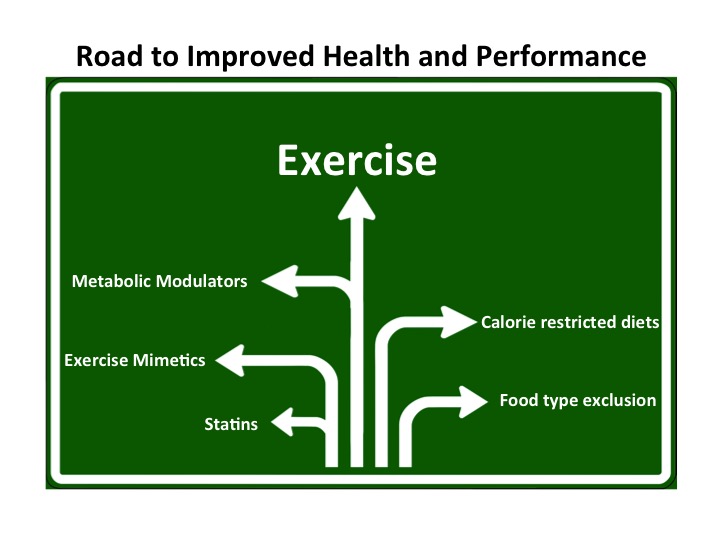
In addition to dietary interventions, medical researchers continue to explore the use of exercise mimetics and metabolic modulators, to address metabolic syndrome. Unfortunately, some have sought their use as a short cut to improved sport performance. Many of these substances appear on the WADA banned list for athletes. However the bottom line is that it is impossible to mimic, either through a dietary or pharmacological intervention, the multi-system, integrated interplay between exercise, metabolism and the Endocrine system.

Only one road to Rome!

Whatever your current level of activity, whether reluctant exerciser or athlete, the path is the same to improve health and performance. This route is exercise, supported with periodised nutrition and recovery. Exercise will automatically set in motion the interactive responses and adaptations of your metabolic and Endocrine systems.

For further discussion on Endocrine and Metabolic aspects of SEM come to the BASEM annual conference 22/3/18: Health, Hormones and Human Performance

References

Insulin action and resistance in obesity and type 2 diabetes Nature Medicine 2017

Inflammation: Why and How Much? Dr N. Keay, British Association of Sport and Exercise Medicine

The cholesterol and calorie hypotheses are both dead — it is time to focus on the real culprit: insulin resistance Clinical Pharmacist 2017

Skeletal muscle mitochondria as a target to prevent or treat type 2 diabetes mellitus Nature Reviews Endocrinology 2016

The essential role of exercise in the management of type 2 diabetes Cleveland Clinic Journal of Medicine 2017

β cell function and insulin resistance in lean cases with polycystic ovary syndrome Gynecol Endocrinol. 2017

The many faces of polycystic ovary syndrome in Endocrinology. Conference Royal Society of Medicine 2017

Association of fat to lean mass ratio with metabolic dysfunction in women with polycystic ovary syndrome Hum Reprod 2014

Sedentary behaviour is a key determinant of metabolic inflexibility Journal of physiology 2017

International society of sports nutrition position stand: diets and body composition J Int Soc Sports Nutr. 2017

A cross-sectional comparison of brain glucose and ketone metabolism in cognitively healthy older adults, mild cognitive impairment and early Alzheimer’s disease Exp Gerontol. 2017

Low carbohydrate, high fat diet impairs exercise economy and negates the performance benefit from intensified training in elite race walkers J Physiol. 2017

Ketogenic diet benefits body composition and well-being but not performance in a pilot case study of New Zealand endurance athletes J Int Soc Sports Nutr. 2017

Sports Endocrinology – what does it have to do with performance? Dr N. Keay, British Journal of Sports Medicine 2017
Hormones and Sports Performance

Endocrine system: balance and interplay in response to exercise training


Endocrine system: balance and interplay in response to exercise training

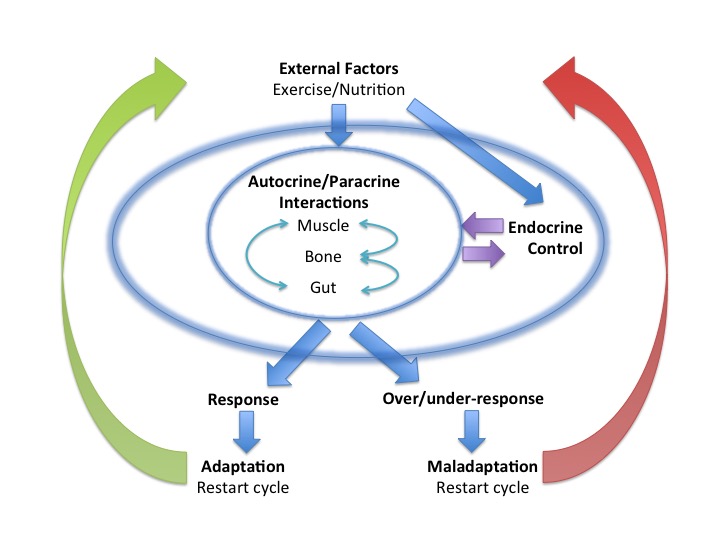
The process of homeostasis maintains a steady internal milieu. So how is it possible for adaptations to occur? What are the internal mechanisms that determine a good outcome versus a negative one?

Changes in the external environment, such as exercise training, challenge homeostasis, producing spatial and temporal responses in the internal environment. These cause interactions between muscle, bone and gut, modulated by the Endocrine system. The degree and nature of these responses dictate whether a positive adaptation occurs. An excessive response, or a response not in tune with the networks of the Endocrine system, can hinder adaptation or produce a maladaptive response. The balance and interplay of internal responses are crucial in determining the outcome to exercise training in the individual.

F=MA

Local responses in exercising tissues

Exercising tissues release exerkines (metabolites, nucleic acids, peptides) which are packaged in exosomes and microvesicles. The content of these vesicle packages increases with intensity of endurance exercise in a dose-dependent manner. These exerkines have autocrine and paracrine effects, which modulate systemic adaptations to endurance exercise in the tissues themselves and those in the vicinity.

The range of these molecular responses from exercising tissues has been identified applying multi-omics (epigenomic, transcriptomic and proteomic analyses). Furthermore variance in trainability has been shown to be correlated with the integrated responses of tissue molecular signalling pathways to endurance exercise.

In a similar manner, the degree of inflammatory response and production of reactive oxygen and nitrogen species (RONS) to exercise mediate favourable adaptations. Inter-individual variations in redox status has been shown to determine the ability to adapt to exercise training. However, unlimited increase in response does not necessarily produce a better outcome. An over response to exercise in these signalling pathways, hinders adaptation.

Exercise promotes bone adaptation in terms of bone material, structure and muscle action. Paracrine crosstalk occurs between muscle and bone. Muscle myokines and insulin like growth factor 1 (IGF1) favour bone formation, whilst inflammatory molecules, such as interleukin 6 (Il-6) released during muscle contractions, favour bone reabsorption. The balance between these opposing processes determines whether bone remodelling is effective, or whether bone stress reactions occur over a pathological continuum. These responses and adaptations occur on the background of lifespan Endocrine environment, which impacts the outcome.

Gut microbiota

The gut microbiota support the regulation of inflammation at the local and systemic level. Furthermore the communication between the gut microbiota and mitochondria has been described as an important interaction in facilitating adaptive responses to exercise. Mitochondria are organelles crucial for production of ATP, as well as RONS. The gut microbiota are involved in mitochondrial biogenesis by regulating key mitochondrial transcriptional factors and enzymes . Furthermore, the metabolites of the gut microbiota such as short chain fatty acids, modulate the inflammatory effects of mitochondrial oxidative stress. Conversely genetic variants in the mitochondrial genome could impact mitochondrial function and thus the gut microbiota in terms of composition and activity.

The gut microbiota have a role in regulating intestinal permeability. Leaky gut is where epithelial integrity is lost at the tight junctions between cells in the gut lining. Leaky gut can occur in gut dysbiosis and also following endurance exercise where re-perfusion injury produces acute hyper-permeability. In these instances, increased gut permeability augments the antigen load and causes increased systemic inflammation and potentially can trigger autoimmune disease. This demonstrates that an excessive inflammatory response to exercise can hinder positive adaptation

Metabolic adaptations

Metabolic flexibility, the ability to respond and adapt to changes in metabolic demand, is enhanced with exercise training through these autocrine, paracrine and Endocrine mechanisms. Metabolic flexibility supports energy availability and fuel selection during exercise. Exercise mimetics, such as artificial metabolic modulators, have been reported to up-regulate gene expression to shift metabolism to fat oxidation in exercising muscle. This would potentially extend the limit of endurance exercise. However this “short cut” to adaptation favouring improved sport performance is illegal, with such molecular ligands on the World Anti-Doping Agency (WADA) banned list.

Hierarchy of control

There is a hierarchy of control in modulating multi-system adaptations to exercise. The Endocrine system is key. Exercise per se produces an Endocrine response, for example exercise is a key stimulus for growth hormone release via the hypothalamus, the neuroendocrine gatekeeper. Growth hormone supports the anabolic response to exercise. In addition, the Endocrine milieu during the lifespan has an impact on response and adaptations to exercise. Any disruption in the Endocrine system hinders adaptive changes. Endocrine dysfunction may occur as a result of non-integrated periodisation of exercise/nutrition and recovery as seen in relative energy deficiency in sports (RED-S). Dysfunction can also occur due to an Endocrine pathology.

Conclusion

Changes in external stimuli, such as exercise and nutrition, produce internal responses on autocrine, paracrine and Endocrine levels. These molecular signalling pathways drive adaptive changes through integrated, network effects. However any imbalances in these interactive responses can hinder desired adaptive changes and even result in negative maladaptive outcomes to exercise training.

For further discussion on Endocrine and Metabolic aspects of SEM come to the BASEM annual conference 22/3/18: Health, Hormones and Human Performance

References

Keay N, Logobardi S, Ehrnborg C, Cittadini A, Rosen T, Healy ML, Dall R, Bassett E, Pentecost C, Powrie J, Boroujerdi M, Jorgensen JOL, Sacca L. Growth hormone (GH) effects on bone and collagen turnover in healthy adults and its potential as a marker of GH abuse in sport: a double blind, placebo controlled study. Journal of Endocrinology and Metabolism. 85 (4) 1505-1512. 2000.

Sport Endocrinology presentations

Sports Endocrinology – what does it have to do with performance? Dr N.Keay, British Journal of Sport Medicine

Balance of recovery and adaptation for sports performance Dr N.Keay, British Association of Sport and Exercise Medicine

Inflammation: Why and How Much? Dr N.Keay, British Association of Sport and Exercise Medicine

Clusters of Athletes – A follow on from RED-S blog series to put forward impact of RED-S on athlete underperformance  Dr N.Keay, British Association of Sport and Exercise Medicine

Optimal Health: For All Athletes! Part 4 – Mechanisms Dr N.Keay, British Association of Sport and Exercise Medicine

The potential of endurance exercise-derived exosomes to treat metabolic diseases Nature Reviews Endocrinology

Exosomes as Mediators of the Systemic Adaptations to Endurance Exercise Cold Spring Harbor Perspectives in Medicine

Genomic and transcriptomic predictors of response levels to endurance exercise training
Journal of Physiology

Adaptations to endurance training depend on exercise-induced oxidative stress: exploiting redox inter-individual variability Acta Physiologica

Mechanical basis of bone strength: influence of bone material, bone structure and muscle action Journal of Musculoskeletal and Neuronal Interactions

The Crosstalk between the Gut Microbiota and Mitochondria during Exercise Frontiers in Physiology

Leaky Gut As a Danger Signal for Autoimmune Diseases Frontiers in Immunology

Metabolic Flexibility in Health and Disease Cell Metabolism

Hormones and Sports Performance

PPARδ Promotes Running Endurance by Preserving Glucose Cell Metabolism


Addiction to Exercise

ExerciseAddiction

Health is not just the absence of illness, but rather the optimisation of all components of health: physical, mental and social. Exercise has numerous benefits on all these aspects. However, a recent article in the British Medical Journal described how exercise addiction can have detrimental physical, mental and social effects.

Dedication and determination are valuable qualities required to be successful in life, including achieving sporting prowess. Yet, there is a fine line between dedication and addiction.

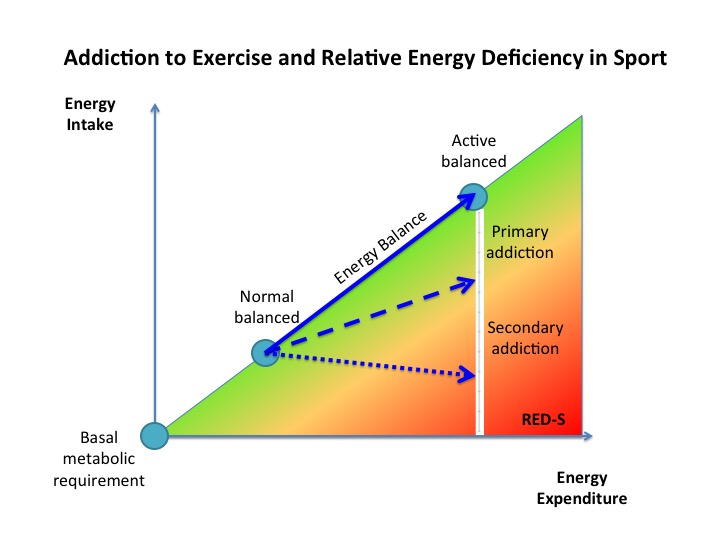
To improve sports performance, cumulative training load has to be increased in a quantified fashion, to produce an overload and hence the desired physiological and Endocrine adaptive responses. Integrated periodisation of training, recovery and nutrition is required to ensure effective adaptation. Sufficient energy availability and quality of nutrition are essential to support health and desired adaptations. On the graph above the solid blue line represents a situation of energy balance, where the demands of increased training load are matched by a corresponding rise in energy availability. This can be challenging in sports where low body weight confers a performance or aesthetic advantage, where the risk of developing relative energy deficiency in sport (RED-S) has implications for Endocrine dysfunction, impacting all aspects of health and sports performance.

Among those participating in high volumes of exercise, what distinguishes a healthy level of commitment from exercise addiction? Physical factors alone are insufficient: all those engaging in high levels of training can experience overuse injuries and disruption in Endocrine, metabolic and immune systems. Equally, in all these exercising individuals, overtraining can result in underperformance.

Psychological factors are the key distinguishing features between the motivated athlete and the exercise addict. In exercise addiction unhealthy motivators and emotional connection to exercise can be identified as risk factors. In exercise addiction the motivation to exercise is driven by the obsession to comply with an exercise schedule, above all else. This can result in negative effects and conflict in social interactions, as well as negative emotional manifestations, such as anxiety and irritability if unable to exercise, including the perceived necessity to exercise even if fatigued or injured.

Two categories of exercise addiction have been described. Primary exercise addiction is the compulsion to follow an excessive training schedule. Without balancing energy intake, the physical consequence may be a relative energy deficiency, as indicated on the graph by the dashed blue line. In secondary exercise addiction, the situation is compounded by a desire specifically to control body weight. These individuals consciously limit energy intake, almost inevitably developing the full clinical syndrome described in RED-S, dragging them down to the position indicated by the dotted blue line on the chart. These situations of exercise addiction can lead to varying risk categories of RED-S.

As described at the start of this blog, there is a blurred boundary between the dedicated athlete and the exercise addict. In practice there is most likely a cross over. For example, an athlete may start with healthy motivators and positive emotional connection to exercise, which can become a primary addiction to adhere rigidly to a training schedule, rather than putting the emphasis on the outcome of such training. In the case of an athlete where low body weight is an advantage, it is easy to appreciate how this could become a secondary exercise addiction, where the motivation for exercising becomes more driven by the desire to control weight, rather than performance.

In order to support those with exercise addiction, discussion needs to focus on adopting a more flexible approach to exercise, by recognising that exercise addiction has detrimental effects on all aspects of current and long term health. Furthermore, in the case of athletes, a multi-disciplinary approach is desirable to help the individual refocus on the primary objective of training: to improve performance. In all situations, discussion should explore modifications to exercise and nutrition, in order to prevent the negative effects of RED-S on health and performance.

Exercise has numerous health benefits and is usually viewed as positive behaviour. However, the outcome of exercise is related to the amount of training, appropriate nutrition and motivation for exercising.

For further discussion on Endocrine and Metabolic aspects of SEM come to the BASEM annual conference 22/3/18: Health, Hormones and Human Performance

References

Addiction to Exercise British Medical Journal 2017

Clusters of Athletes British Association of Sport and Exercise Medicine 2017

Sport performance and relative energy deficiency in sport British Journal of Sport Medicine 2017

Balance of recovery and adaptation for sports performance British Association of Sport and Exercise Medicine 2017

Optimal Health for all athletes Part 4 Mechanisms of RED-S British Journal of Sport Medicine 2017

Sports Endocrinology – what does it have to do with performance? British Journal of Sport Medicine 2017

Inflammation: Why and How Much? British Association of Sport and Exercise Medicine 2017