The state of play on relative energy deficiency in sport (REDs): Psychological aspects

Abstract

This article explores the current state of play regarding relative energy deficiency in sport (REDs), highlighting the recent updates from the International Olympic Committee (IOC) consensus statement September 2023. Psychological factors and mental health are recognised as having a reciprocal relationship in both the aetiology and outcome of chronic low energy availability leading to REDs. This has important implications in terms of prevention and management of individuals experiencing REDs. Unintentional or intentional unbalanced behaviours around exercise and nutrition leads to a situation of low energy availability. Low energy availability is not synonymous with REDs. Rather cumulative, sustained low energy availability, particularly low carbohydrate availability, leads to the clinical syndrome of REDs comprising a constellation of adverse consequences on all aspects of health and performance. This situation can potentially arise in both biological sexes, all ages and level of exerciser. This is of particular concern for the young aspiring athlete or dancer, where behaviours are being established and in terms of long-term consequences on mental and physical health. The mechanism of sustained low energy availability leading to these negative health outcomes is through the adaptive down regulation of the endocrine networks. Therefore, raising awareness of the risk of REDs and implementing effective prevention and identification strategies is a high priority.

Introduction

Relative energy deficiency in sport (REDs) was first described in the International Olympic Committee (IOC) consensus statement published in the British Journal of Sports and Exercise Medicine (BJSM) 2014 (Mountjoy, 2014). Since then, there have been updates published in 2018 (Mountjoy, 2018) and most recently in September 2023 (Mountjoy, 2023).

Seminal studies of female collegiate runners in 1980s found that those athletes with higher weekly training load, but same food intake as those with lower training load, experienced menstrual disruption, including secondary amenorrhoea and poor bone health (Drinkwater, 1984). This led to the description of the female athlete triad, which comprises a clinical spectrum of eating patterns, menstrual function and bone health. This ranges from optimal fuelling, menstrual function and bone health; to eating disorders, amenorrhoea and osteoporosis.

However, with further evidence emerging it became apparent that the impact of under fuelling is not confined to menstrual and bone health. Rather that the consequences of under fuelling are multisystem and can include male athletes. This led to the initial description of REDs in 2014 as a syndrome comprised of the potential adverse effects on many systems in the body with both physical and mental health implications. Crucially, unlike the female athlete trad, REDs also included the potential negative sequalae on athletic performance. Ultimately the goal for all athletes is to perform to their best, so REDs is not something of interest just in academic or clinical circles. REDs is highly relevant to both biological sexes and all levels and ages of exerciser.

What is Energy Availability?

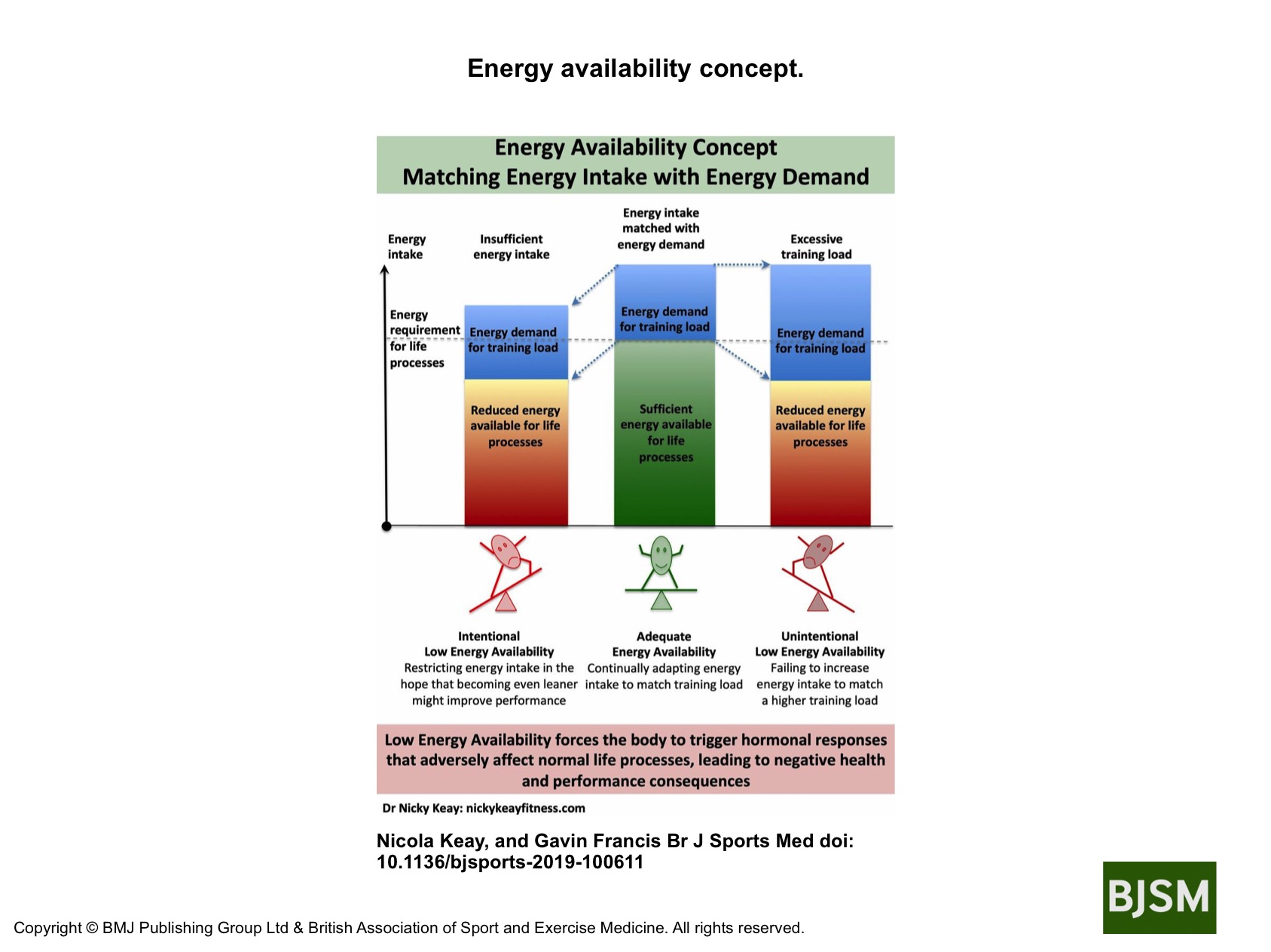
The underlying aetiology of REDs is low energy availability. The life history theory describes how biological processes compete for energy resources (Shirley, 2022). Energy requirement for movement is prioritised from an evolutionary point of view in order to take evasion action from predators. The residual energy from food intake is described as energy availability. This is roughly equivalent to resting metabolic rate for the individual. Simply lying in bed all day, staying alive, is high energy demand for humans as homeotherms. The numerical value of energy availability is expressed in Kcals/Kg of fat free mass. The energy availability requirement for health will vary between individuals depending on sex, age and body composition. Although energy availability is a very useful concept, in practice is it not actually measured outside of the research setting. Rather objective surrogates indicating energy availability can be measured such as triiodothyronine (T3) which is used as a primary indicator of low energy availability as outlined in the update REDs clinical assessment tool described in further detail below (Stellingwerff, 2023 ).

An important highlight from the updated consensus statement on REDs is that it is specifically low carbohydrate availability that is most detrimental, especially for reproductive hormone networks. Comparing isocaloric intake, where there is a low proportion of energy from carbohydrate, this has the most marked negative consequence on both hormone health and performance. The mechanism of sustained low carbohydrate availability appears to involve the hormone leptin, an adipokine, secreted by adipose tissue. Low levels of leptin cause suppression of the reproductive axis via the hypothalamus-pituitary axis (Keay, 2022).

Aetiology of Low Energy Availability

Low energy availability is a situation where, once energy demand from movement has been met, the residual energy available is insufficient to support the functioning of other biological life process.

Low energy availability could arise unintentionally or intentionally (Keay, 2019). Unintentional low energy availability is where an exerciser does not appreciate the energy demands of exercise and other activities with an energy demand. For example, many athletes will not consider the energy required to “commute” to a training session on foot or bike. Unintentional low energy availability could be due to practical issues: for example, a long cycle ride over several hours will require the cyclist to take nutritional sources in the pockets of clothing and/or plan ahead suitable stops where it is possible to obtain nutrition. Similarly, going on a training camp, especially at altitude, will greatly increase energy demand from exercise and needs to factored in. Finances could also be a limiting factor.

On the other hand, intentional low energy availability is where an exerciser intentionally restricts nutrition intake in the belief that this might confer a performance advantage in terms of body weight, composition or shape. This is particularly associated with any exercise against gravity such as running, road cycling, climbing; weight category sports like martial arts and aesthetic forms of sport (diving, gymnastics) and dance.

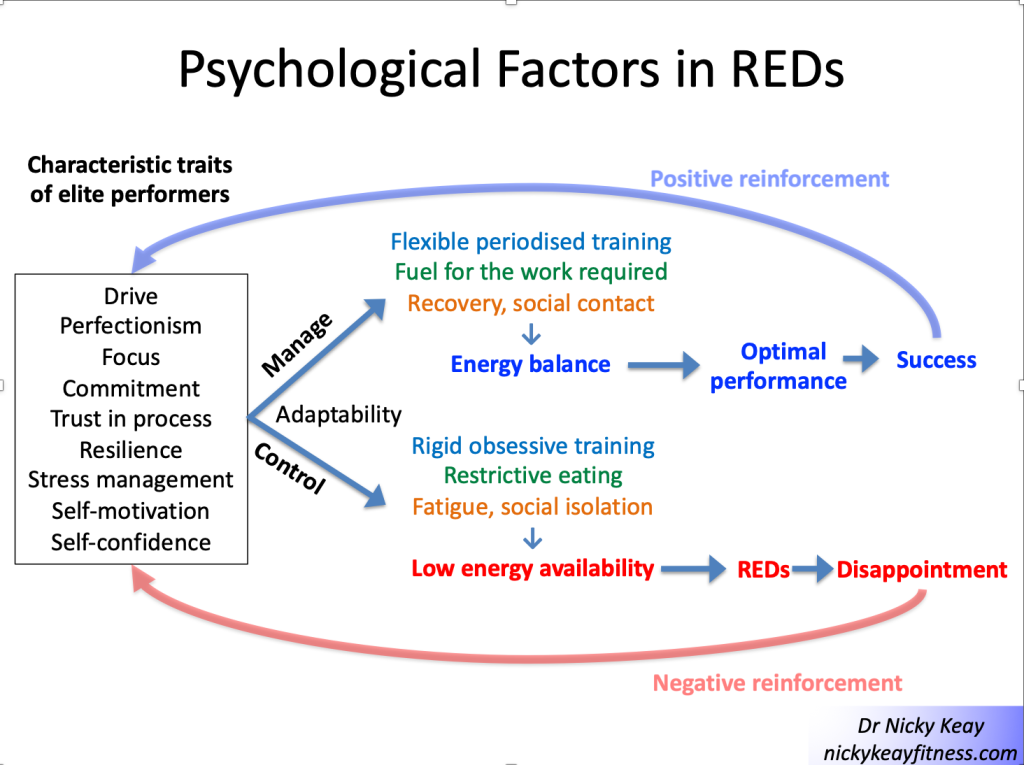
For individuals with intentional low energy availability, psychology and mental health can have a reciprocal interaction (Pensgaard, 2023). Those exercisers with personality characteristics such as self-motivation, perfectionism can be very laudable traits in terms of dedication to exercise training to achieve success. However, when these characterises impact and support rigid behaviours around training and nutrition, this can become problematic. This is shown in Figure 1 “Psychological factors in REDs”. Those who are able to adapt to external pressures and have a flexible approach to training and nutrition are more likely to experience positive outcomes. Whereas those who have a more rigid approach, which might include disordered eating and or an eating disorder and/or exercise dependence are more likely to experience negative outcomes. This reinforces self-doubt and culminates in a vicious circle of perpetuating rigid behaviours and negative outcomes in terms of both physical and mental health.

Evidence for this interaction between psychological factors and risk of REDs was found in our study of dancers, referenced in the updated IOC consensus statement. A significant relationship was found between psychological factors such as anxiety around body shape/weight and missing training. These psychological factors in turn had significant associations between physical manifestations of low energy availability (low body weight) and physiological outcomes (menstrual irregularity) (Keay, 2020). Similarly, in more of our published research papers referenced in the IOC consensus statement focusing on male athletes, an significant association was found between cognitive nutritional restraint and negative physiological and performance outcomes (Jorov, 2021).

This reciprocal interaction between internal and external factors is a systems biology approach, highlighted in the recent updated IOC consensus statement. From a physiological point of view the brain is a high energy demand organ, requiring a good supply of glucose. So low carbohydrate availability will restrict this cerebral supply, which can impair cognitive function and ultimately good decision making. It is interesting to reflect that the neuroendocrine gatekeeper, the hypothalamus keeps a watching brief on internal and external factors, not distinguishing between the source of stressors when putting in motion an adaptive response (Keay, 2022).  
Consequences of Low Energy Availabiity

Low energy availability is not synonymous with REDs. Indeed, short term low energy availability might initially bring some good performances. Low energy availability becomes problematic depending on the time scale, which in turn determines the degree of adaptive response, described in the clinical physiological model of REDs (Burke, 2023). The first system to adapt to low energy availability is bone: bone turnover moves in favour of resorption over formation. This is why bone stress responses, specifically bone stress fractures, can be an early warning sign of REDs and designated a primary indicator in the updated IOC consensus statement. There will follow sequential down regulation of metabolic rate mediated via the thyroid axis, followed by the reproductive axis. In women primary amenorrhoea or sustained functional hypothalamic amenorrhoea (FHA) of 6 months or more duration is a severe primary indicator of REDs. In men, low rage testosterone is a severe primary indicator.  Ultimately body composition will be adversely affected, with the only endocrine system to be up regulated being that of the hypothalamic-pituitary-adrenal axis (Keay, 2019).

Health

Cumulative low energy availability causes the syndrome of REDs, which produces progressive adverse effects on all aspects of health: physical, mental and social, described in the REDs conceptual model. Poor sleep will compound these negative health effects (Keay, 2022).

Performance

Although there may be some initial good performances, chronic low energy availability will result in adverse performance consequences of REDs, described in the REDs performance conceptual model. In our referenced papers in the consensus statement, we found that in male athletes, short term low energy availability impacted performance (Jurov, 2022). In another of our referenced studies we showed that male cyclists in sustained low energy availability over 6 months, not only experienced bone loss commensurate to astronauts in space, but these cyclists also underperformed compared to their energy replete fellow cyclists (Keay, 2019). On a positive note, explaining to athletes and dancers that improving energy availability will improve their performance, can help in overcoming problematic behaviours.

Identification of those at risk

In view of the potential adverse health and performance effects of REDs, it is a priority to raise awareness of this risk to affect prevention. To this end the British Association of Sports and Exercise Medicine (BASEM) has a website health4performance.co.uk dedicated to providing reliable information on REDs for athletes, parents, coaches and health care professionals together with BASEM endorsed online courses. Targeting and identifying those at increased risk is very important. Young athletes and dancers can be most severely affected as down regulation of hormone function due to low energy availability can cause delay in growth and development. In particular, delayed puberty and menarche dampens the accrual of peak bone mass, with implications for bone health (Keay, 2000). Furthermore, there is evidence that these adverse effects on bone health might not be fully reversible (Keay, 1997)

From a psychological point of view, the young aspiring athlete and dancer is also at heightened risk. Explored and viewed by many dancers in “The Dark Side of Ballet Schools” Panorama (season 33, episode 28). Selection for specialised training will inevitably favour those who are self-motivated and dedicated. In a group of individuals sharing similar psychological traits this could act as a “breeding ground” for reinforcing these characteristics in ways that could lead to behaviours which are not conducive to positive outcomes. Rather reinforcing the negative interpretation of external and internal factors, leading to a vicious circle of reinforcing attitudes and behaviours leading to REDs, as described in Figure 1

Risk stratification

Early identification of those at risk of developing REDs is an important preventative strategy. Especially for young aspiring athletes and dancers where behaviours around eating and exercise are being developed and established. A step-by-step approach is provided in the updated version 2 of the Relative Energy Deficiency in sport Clinical Assessment Tool (REDsCat v2) to identify and risk stratify individuals (Stellingwerff, 2023 ). Initial, low cost, screening questionnaires can be helpful, particularly if tailored to a specific sport/activity or dance. For example: sports specific energy availability questionnaire (SEAQ) (Keay, 2018) and dance energy availability energy questionnaire (DEAQ) (Keay, 2020). This can be helpful in identifying those individuals where further investigation is clinically indicated. As REDs is a diagnosis of exclusion, targeted blood testing excludes medical conditions per se and provide objective quantification in the stratification of risk. Severe primary indicators of REDs are issues in the reproductive axis: long duration of amenorrhoea in females and low range testosterone in males.

From a combination of all these results the individual can be placed in an appropriate risk category. The updated REDs CAT v2 includes a finer grained approach with four categories from green, yellow, amber to red.

This assessment also provides the background on which to base the appropriate level of support. For all, management will be directed at restoring energy availability and include modification of training and nutritional intake. However, the details will vary according to the severity of REDs. Individuals with intentional REDs, especially when formally diagnosed with an eating disorder, will need most intensive input than a person with transient unintentional low energy availability.

Management

A nuanced approach is required for individual athletes, depending on their risk stratification and biopsychosocial factors. In all cases some degree of psychological support will be helpful. Involvement of the extended multidisciplinary team is ideal: medical doctor, dietician, coach and parent (where appropriate) with the athlete/dancer at the centre.

In order to restore energy availability this will require careful discussion around nutrition in terms of consistency of eating patterns and composition of food groups consumed. This starts with regular meals containing good portions of complex carbohydrate and protein. Studies show that inconsistent intake of carbohydrate (eg “backloading” eating to the evening) produces an unfavourable hormone profile. Fuelling around training is also a high priority for hormone health and driving positive adaptations to exercise. Pre training consumption of carbohydrate together with post training refuelling with both complex carbohydrate and protein within 20 minutes of stopping are important behaviours for favourable hormone response to exercise (Keay, 2022).

In terms of pharmacological intervention, NICE guidelines have been updated 2022 in recommending body identical hormone replacement therapy (HRT) over the combined oral contraceptive pill (COCP) for bone protection in those with evidence of bone poor health due to functional hypothalamic amenorrhoea (FHA) as a consequence of REDs (BASEM, 2023). Poor bone health is defined as age matched Z score < -1 of the lumbar spine (trabecular bone particularly sensitive to low oestradiol) and/or 2 or more stress fractures at a site of concern (trabecular rich bone). For male athletes/dancers external testosterone is not appropriate as this supresses internal hormone production. Furthermore, testosterone is on the world anti-doping authority (WADA) banned list and it is not possible to obtain a therapeutic use exemption (TUE) as REDs is a functional condition, not a medical condition.

Prevention

Prevention is always the ultimate goal. In order to achieve this aim, a cultural shift in sport and dance is required. Emphasis on the fact that health is a prerequisite for performance. Pursuing a lighter body weight or leaner body composition will not automatically lead to improved performance. Each individual will have a personal tipping point. As we are all different, there is no such thing as a generic “ideal” weight/shape/body composition.

In practical terms, prevention can be considered as primary, secondary and tertiary (Torstveit, 2023). Primary prevention consists of providing and disseminating reliable educational resources. Secondary prevention includes early identification of those at risk of developing REDs, together with prompt and correct diagnosis. For example, regardless of whether an athlete or dancer, amenorrhoea in a woman of reproductive age (apart from physiological amenorrhoea of pregnancy) is never “normal”; whether blood tests are in range, or not. The tertiary level of prevention encompasses evidence-based treatments. As mentioned above, NICE guidelines are now in line with Endocrine Society and IOC in advising temporising HRT for bone protection in FHA. Not the COCP which masks underlying hormone dysfunction and is not bone protective. Similarly, thyroxine is not advised where there is downregulation of this axis as a consequence of REDs. This is not the same as the medical condition of a primary underactive thyroid indicated by raised thyroid stimulating hormone (TSH) (Keay, 2022).

Conclusion

Ultimately, we all have a role to play in supporting exercisers, athletes and dancers in avoiding “the REDs card” (Mountjoy, 2023). This involves the extended multidisciplinary team, starting with the individual exerciser, family, friends and coaches. Then bringing in health care professionals from medicine, dietetics and physiotherapy.

Imbalances in behaviours around exercise and nutrition can have potential negative consequences on all aspects of health and performance. On a positive note, exercise, supported with appropriate nutrition, is an excellent way to achieve and maintain optimal physical, mental and social health and support performance. This is applicable for all ages and levels of exercisers from the recreational to the amateur and elite athlete.

References

Burke LM, Ackerman KE, Heikura IAet al. Mapping the complexities of Relative Energy Deficiency in Sport (REDs): development of a physiological model by a subgroup of the International Olympic Committee (IOC) Consensus on REDs British Journal of Sports Medicine 2023;57:1098-1108.

Drinkwater B, Nilson K, Chesnut C. Bone Mineral Content of Amenorrheic and Eumenorrheic Athletes N Engl J Med 1984; 311:277-281 DOI: 10.1056/NEJM198408023110501

Jurov I, Keay N, Hadžić V et al. Relationship between energy availability, energy conservation and cognitive restraint with performance measures in male endurance athletes. J Int Soc Sports Nutr 2021;18:24. doi:10.1186/s12970-021-00419-3 

Jurov I, Keay N, Spudić D et al. Inducing low energy availability in trained endurance male athletes results in poorer explosive power. Eur J Appl Physiol 2022;122:503–13. doi:10.1007/s00421-021-04857-4 

Keay N Hormones, Health and Human Potential: A guide to understanding your hormones to optimise your health and performance 2022 Sequoia books

Keay N, Overseas A, Francis G. Indicators and correlates of low energy availability in male and female dancers BMJ Open Sport & Exercise Medicine 2020;6:e000906. doi: 10.1136/bmjsem-2020-000906

Keay N, Francis G. Infographic. Energy availability: concept, control and consequences in relative energy deficiency in sport (RED-S) British Journal of Sports Medicine 2019;53:1310-1311.

Keay N, Rankin A. Infographic. Relative energy deficiency in sport: an infographic guide

British Journal of Sports Medicine 2019;53:1307-1309.

Keay N, Francis G, Hind K. Low energy availability assessed by a sport-specific questionnaire and clinical interview indicative of bone health, endocrine profile and cycling performance in competitive male cyclists BMJ Open Sport & Exercise Medicine 2018;4:e000424. doi: 10.1136/bmjsem-2018-000424

Keay N, Francis G, Entwistleet al. Clinical evaluation of education relating to nutrition and skeletal loading in competitive male road cyclists at risk of relative energy deficiency in sports (RED-S): 6-month randomised controlled trial BMJ Open Sport & Exercise Medicine 2019;5:e000523. doi: 10.1136/bmjsem-2019-000523

Keay N. The modifiable factors affecting bone mineral accumulation in girls: the paradoxical effect of exercise on bone. Nutrition Bulletin 2000, 25: 219-222. https://doi.org/10.1046/j.1467-3010.2000.00051.x

Keay N, Fogelman I, Blake G. Bone mineral density in professional female dancers.

British Journal of Sports Medicine 1997;31:143-147.

Mountjoy M, Ackerman KE, Bailey Det al. 2023 International Olympic Committee’s (IOC) consensus statement on Relative Energy Deficiency in Sport (REDs) British Journal of Sports Medicine 2023;57:1073-1097.

Mountjoy M, Ackerman KE, Bailey Det al. Avoiding the ‘REDs Card’. We all have a role in the mitigation of REDs in athletes British Journal of Sports Medicine 2023;57:1063-1064.

Pensgaard AM, Sundgot-Borgen J, Edwards Cet al. Intersection of mental health issues and Relative Energy Deficiency in Sport (REDs): a narrative review by a subgroup of the IOC consensus on REDs British Journal of Sports Medicine 2023;57:1127-1135.

Stellingwerff T, Mountjoy M, McCluskey Wet al. Review of the scientific rationale, development and validation of the International Olympic Committee Relative Energy Deficiency in Sport Clinical Assessment Tool: V.2 (IOC REDs CAT2)—by a subgroup of the IOC consensus on REDs British Journal of Sports Medicine 2023;57:1109-1118.

International Olympic Committee relative energy deficiency in sport clinical assessment tool 2 (IOC REDs CAT2) British Journal of Sports Medicine 2023;57:1068-1072.

Shirley M, Longman D, Elliott-Sale K et al. A Life History Perspective on Athletes with Low Energy Availability. Sports Med 2022 52, 1223–1234. https://doi.org/10.1007/s40279-022-01643-w

Todd E, Elliot N, Keay N. Relative energy deficiency in sport (RED-S) British Journal of General Practice 2022; 72 (719): 295-297. DOI: https://doi.org/10.3399/bjgp22X719777

Torstveit M, Ackerman K, Constantini N et al. Primary, secondary and tertiary prevention of Relative Energy Deficiency in Sport (REDs): a narrative review by a subgroup of the IOC consensus on REDs Br J Sports Med 2023;57:1119–1126.
How to Identify Male Cyclists at Risk of RED-S?

Relative energy deficiency in sport (RED-S) is a clinical model that describes the potential adverse health and performance consequences of low energy availability (LEA) in male and female athletes. Identification of athletes at risk of LEA can potentially prevent these adverse clinical outcomes.

Athletes at risk of RED-S are those involved in sports where low body weight confers a performance or aesthetic advantage. In the case of competitive road cycling, being light  weight results in favourable power to weight ratio to overcome gravity when cycling uphill. How can male cyclists at risk of LEA be effectively identified in a practical manner?

Energy availability (EA) is defined as the residual energy available from dietary intake, once energy expenditure from exercise training has been subtracted. This available energy is expressed as KCal/Kg fat free mass (FFM). A value of 45 KCal/Kg FFM is roughly equivalent to basal metabolic rate, in other words the energy required to sustain health. In order to quantify EA, accurate measurements of energy intake and expenditure, and FFM assessed from dual X ray absorptiometry (DXA), need to be undertaken. However this is not practical or feasible to undertake all these measurements outside the research setting. Furthermore, methodology for assessing energy intake and expenditure is laborious and fraught with inaccuracies and subjectivity in the case of diet diaries for “free living athletes“. Even if a value is calculated for EA, this is only valid for the time of measurement and does not give any insights into the temporal aspect of EA. Furthermore, an absolute EA threshold has not been established, below which clinical symptoms or performance effects of RED-S occur.

Self reported questionnaires have been shown to be surrogates of low EA in female athletes. However there are no such sport specific questionnaires, or any questionnaires for male athletes. Endocrine and metabolic markers have been proposed as quantitative surrogate measures of EA and shown to be linked to the RED-S clinical outcome of stress fractures in runners. In female athletes the clinical sign of regular menstruation demonstrates a functioning H-P ovarian axis, not suppressed by LEA. What about male athletes? Although hypothalamic suppression of the reproductive axis due to LEA can result in low testosterone, high training loads, in presence of adequate EA, can lead to the same negative effect on testosterone concentration.

Sam

Male cyclists present a further level of complexity in assessing EA status. In contrast to runners, stress fracture will not be an early clinical warning sign of impaired bone health resulting from low EA. Furthermore cyclists are already at risk of poor bone health due to the non weight bearing nature of the sport. Nevertheless, traumatic fracture from bike falls is the main type of injury in cycling, with vertebral fracture requiring the longest time off the bike. Chris Boardman, a serial Olympic medal winner in cycling, retired in his early 30s with osteoporosis. In other words, in road cycling, the combined effect of the lack of osteogenic stimulus and LEA can produce clinically significant adverse effects on bone health.

What practical clinical tools are most effective at identifying competitive male cyclists at risk of the health and performance consequences of LEA outlined in the RED-S model? This was the question our recent study addressed. The lumbar spine is a skeletal site known to be most impacted by nutrition and endocrine factors and DXA is recognised as the “gold standard” of quantifying age matched Z score for bone mineral density (BMD) in the risk stratification of RED-S. What is the clinical measure indicative of this established and clinically significant sign of RED-S on lumbar spine BMD? Would it be testosterone concentration, as suggested in the study of runners? Another blood marker? Cycle training load? Off bike exercise, as suggested in some previous studies? Clinical assessment by interview?

Using a decision tree approach, the factor most indicative of impaired age matched (Z score) lumbar spine BMD was sport specific clinical assessment of EA. This assessment took the form of a newly developed sports specific energy availability questionnaire and interview (SEAQ-I). Reinforcing the concept that the most important skill in clinical medical practice is taking a detailed history. Questionnaire alone can lead to athletes giving “correct” answers on nutrition and training load. Clinical interview gave details on the temporal aspects of EA in the context of cycle training schedule: whether riders where experiencing acute intermittent LEA, as with multiple weekly fasted rides, or chronic sustained LEA with prolonged periods of suppressed body weight. Additionally the SEAQ-I provided insights on attitudes to training and nutrition practices.

Cyclists identified as having LEA from SEAQ-I, had significantly lower lumbar spine BMD than those riders assessed as having adequate EA. Furthermore, the lowest lumbar spine BMD was found amongst LEA cyclists who had not practised any load bearing sport prior to focusing on cycling. This finding is of particular concern, as if cycling from adolescence is not integrated with weight bearing exercise and adequate nutrition when peak bone mass (PBM) is being accumulated, then this risks impaired bone health moving into adulthood.

Further extension of the decision tree analysis demonstrated that in those cyclists with adequate EA assessed from SEAQ-I, vitamin D concentration was the factor indicative of lumbar spine BMD. Vitamin D is emerging as an important consideration for athletes, for bone health, muscle strength and immune function. Furthermore synergistic interactions with other steroid hormones, such as testosterone could be significant.

What about the effects of EA on cycling performance? For athletes, athletic performance is the top priority. In competitive road cycling the “gold standard” performance measure is functional threshold power (FTP) Watts/Kg, produced over 60 minutes. In the current study, 60 minute FTP Watts/Kg had a significant relationship to training load. However cyclists in chronic LEA were under performing, in other words not able to produce the power anticipated for a given training load. These chronic LEA cyclists also had significantly lower testosterone concentration. Periodised carbohydrate intake for low intensity sessions is a strategy for increasing training stimulus. However if this acute intermittent LEA is superimposed on a background of chronic LEA, then this can be counter productive in producing beneficial training adaptations. Increasing training load improves performance, but this training is only effective if fuelling is tailored accordingly.

Male athletes can be at risk of developing the health and performance consequences of LEA as described in the RED-S clinical model. The recent study of competitive male road cyclists shows that a sport specific questionnaire, combined with clinical interview (SEAQ-I) is an effective and practical method of identifying athletes at risk of LEA. The temporal dimension of LEA was correlated to quantifiable health and performance consequences of RED-S.

References 

Low energy availability assessed by a sport-specific questionnaire and clinical interview indicative of bone health, endocrine profile and cycling performance in competitive male cyclists  Keay, Francis, Hind, BMJ Open in Sport and Exercise Medicine 2018

2018 UPDATE: Relative Energy Deficiency in Sport (RED-S) Keay, BJSM 2018

Fuelling for Cycling Performance Science4Performance

Pitfalls of Conducting and Interpreting Estimates of Energy Availability in Free-Living Athletes International Journal of Sport Nutrition and Exercise Metabolism 2018

IOC consensus statement on relative energy deficiency in sport (RED-S): 2018 update BJSM 2018

The LEAF questionnaire: a screening tool for the identification of female athletes at risk for the female athlete triad BJSM 2013

Low Energy Availability Is Difficult to Assess but Outcomes Have Large Impact on Bone Injury Rates in Elite Distance Athletes International Journal of Sport Nutrition and Exercise Metabolism 2018

Treating exercise-associated low testosterone and its related symptoms The Physician and Sports Medicine 2018

Male Cyclists: bones, body composition, nutrition, performance Keay, BJSM 2018

Cyclists: Make No Bones About It Keay, BJSM 2018

Male Athletes: the Bare Bones of Cyclists

Cyclists: How to Support Bone Health?

Synergistic interactions of steroid hormones Keay BJSM 2018

Fuel for the Work Required: A Theoretical Framework for Carbohydrate Periodization and the Glycogen Threshold Hypothesis Sports Medicine 2018


Health, Hormones and Human Performance Part 2

Endocrine and Metabolic aspects of Sports and Exercise Medicine are crucial determinants of health and human performance, from reluctant exerciser through to elite athlete and professional dancer. This is what the recent BASEM spring conference set out to demonstrate. The previous blog described functional disruption of Endocrine networks caused by non-integrated periodisation of the three key lifestyle factors of exercise/training, nutrition and recovery/sleep, can lead to adverse effects on health and athletic performance.

Slide1
Integrated periodisation of exercise, nutrition, recovery for optimisation of health and performance (Keay BJSM 2017)

Grace, aesthetic line and ethereal quality belie the athletic prowess required in ballet. What are the Endocrine, metabolic and bone health consequences for this unique group of athletes? Dr Roger Wolman (Medical Advisor to National Institute for Dance Medicine and Science) returned to the important topic of insufficient energy availability in sport/dance where being lightweight confers a performance advantage, resulting in dysfunction in multiple endocrine axes. Dr Wolman discussed his recent research studies in dancers revealing an intriguing synergistic action between oestrogen and vitamin D, which is itself a steroid hormone. Evidence was presented to demonstrate how being replete in vitamin D has beneficial effects on bone, immunity and muscle function. Thus it is key in preventing injury and supporting health in athletes, with particular relevance in premenarchal and postmenopausal women, who are in relative oestrogen deficient states. This presentation will certainly change my clinical practice and, I am sure, that of many in the audience, in ensuring that athletes/patients are vitamin D replete. This may have to be achieved in the form of strategic use of sports informed vitamin D supplementation, given that even walking naked for 5 hours a day outside during UK winter, would not stimulate enough vitamin D production. Therefore, to the relief of many in the audience, Dr Wolman did not recommend this strategy.

Dr Kate Ackerman (member of RED-S IOC working group) explained why we should all tap into our inner endocrinologist. Sport and Exercise Medicine (SEM) goes far beyond diagnosing and treating injury. Is there any underlying endocrine cause for suboptimal health, performance or injury? Be this an endocrine diagnosis that should not be missed, or a functional endocrine dysfunction due to relative energy deficiency in sports (RED-S). Dr Ackerman explained the importance of the multidisciplinary team in both identifying and supporting an athlete experiencing the consequences of RED-S. New research from Dr Ackerman’s group was presented indicating the effects of RED-S on both health and athletic performance.

Females now have combative roles alongside their male counterparts. What are the implications of this type of intensive exercise training? Dr Julie Greaves (Research Director of the ministerial women in ground close combat research programme) presented insightful research revealing that differences in the geometry of bone in men and women can predispose towards bone stress injury and account for increased incidence in this type of injury in female recruits.

Lunchtime discussion and debate was focused on the determinants of athletic gender, lead by Dr Joanna Harper and Professor Yannis Pitsiladis (International Federation of Sports Medicine). Rather than relying on genetic sex, testosterone concentration was proposed as the criteria for determining whether an athlete competes in male or female events. That testosterone concentration is linked to performance was demonstrated in a study published last year in the BMJ where female athletes in the upper tertile of testosterone were shown to have a performance advantage in certain strength based track and field disciplines. This could potentially be an objective, functional metric used to determine sporting categories for transgender and intersex athletes. The only current uncertainty is how previously high levels of testosterone seen in male, or intersex athletes would have already had an impact on physiology, if this athlete then wished to compete as female and therefore lower testosterone levels with medication.

Nutrition is a key component in optimising health and performance through the Endocrine system. Dr Sophie Killer (English Institute of Sport) explained practical implications for athletes. In a study stimulating a training camp, there were distinct differences between athletes on different regimes of carbohydrate intake in terms of endocrine markers and psychological effects. Those athletes on restricted carbohydrate intake fared worse.

Insulin insensitivity is the underlying pathological process in developing type 2 diabetes mellitus (T2DM) and metabolic syndrome. What is the crucial lifestyle intervention to combat this? Dr Richard Bracken (Swansea University) presented the science behind why and how exercise improves blood glucose control and therefore ultimately risk of developing the macro and microvascular complications of diabetes. T2DM is an increasing health issue in the population, which has to be addressed beyond reaching for the prescription pad for medication. Dr Bracken outlined some effective strategies to encourage the reluctant exerciser to become more active. Having worked myself in NHS diabetic clinics over many years, this was a key presentation at the conference to demonstrate that SEM goes far beyond a relatively small group of elite athletes. Highlighting the crucial role of physical activity in supporting health and performance through optimisation of endocrine networks: uniting the elite athlete and the reluctant exerciser.

One road to Rome
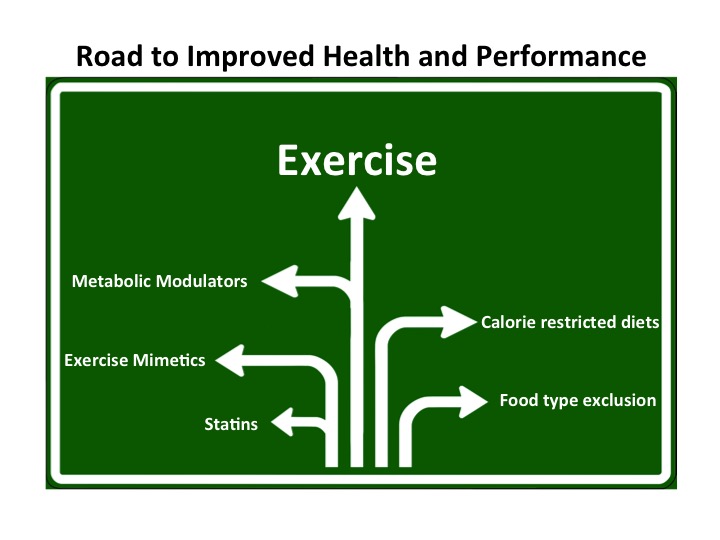
One Road to Rome (BJSM Keay 2017)

Motivate2Move initiative aims to shift the emphasis from treating disease, to preventing disease. Dr Brian Johnson presented the excellent resource for healthcare professionals to encourage, motivate and educate patients in order to consider exercise as an effective and enjoyable way to improve health.

Hormones play a key role in health and human performance, applicable to all levels of exerciser from reluctant exerciser to elite athlete.

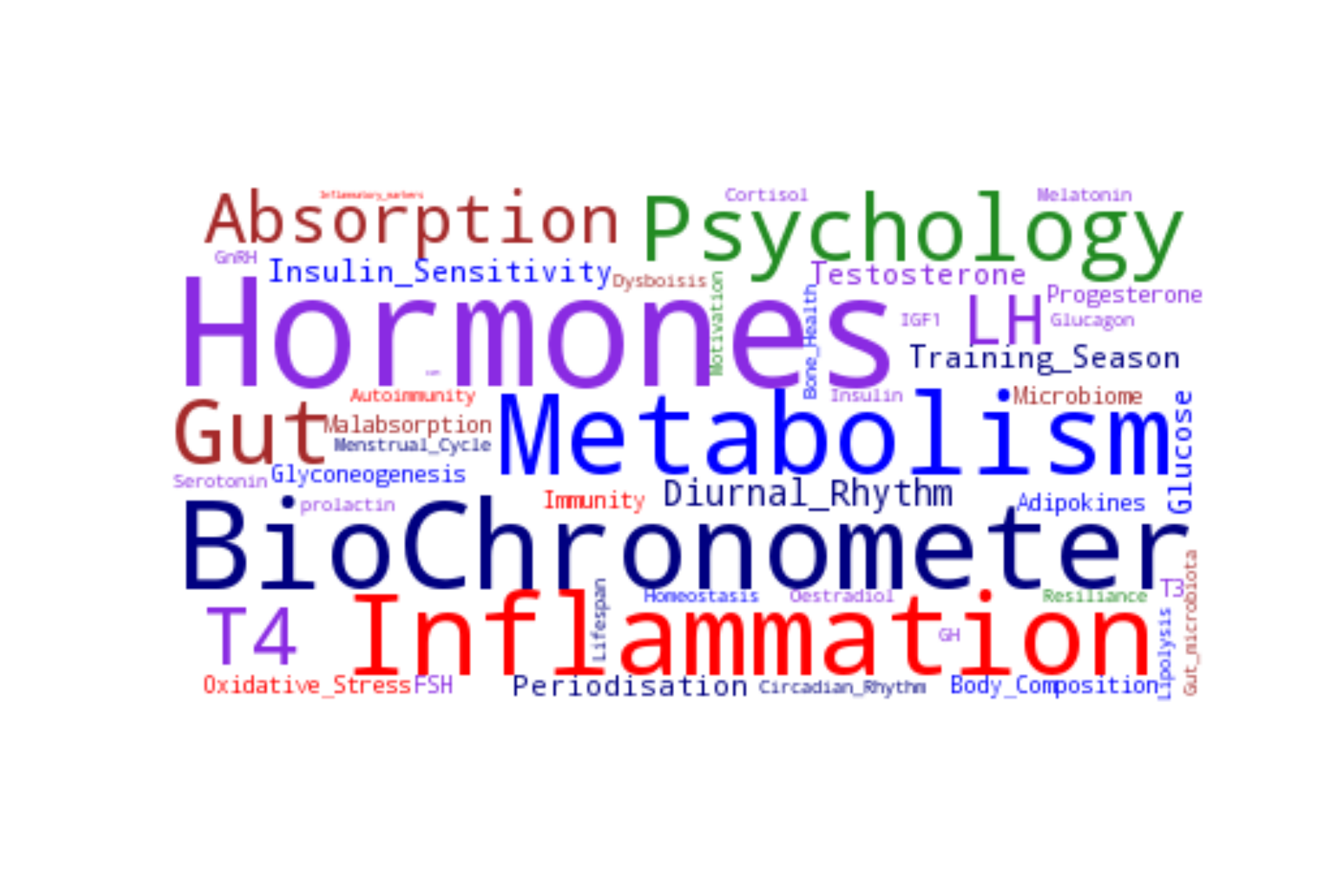
FactorsWordCloud4

References

Health, Hormones and Human Performance BASEM Spring Conference

Video of presentation on Endocrine and Metabolic aspects of Sport and Exercise Medicine from BASEM Spring Conference

Sports Endocrinology – what does it have to do with performance? Keay BJSM 2017

Lifestyle Choices for optimising health: exercise, nutrition, sleep Keay BJSM 2017

One road to Rome: Exercise Keay, BJSM 2017


Health, Hormones and Human Performance Part 1

How hormones determine health and athletic performance

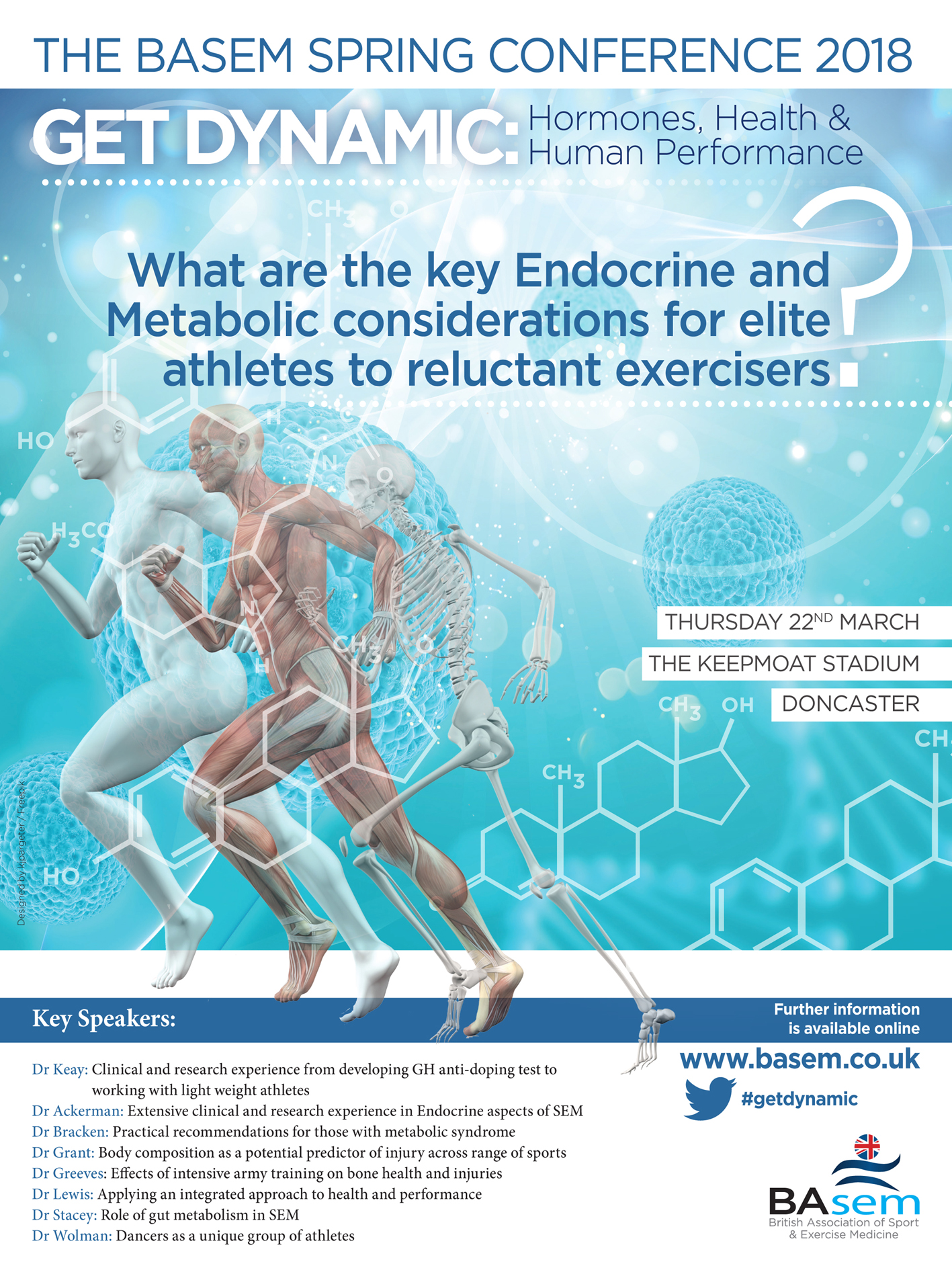
Endocrine and Metabolic aspects of Sports and Exercise Medicine are crucial determinants of health and human performance, from reluctant exerciser through to elite athlete and professional dancer. This is what I set out to demonstrate as the chair of the recent British Association of Sport and Medicine conference, with insightful presentations from my colleagues whom I had invited to share their research and practical applications of their work. The audience comprised of doctors with interest in sport and exercise medicine, representatives from the dance world, research scientists, nutritionists, physiotherapists, coaches and trainers. In short, all were members of multi-disciplinary teams supporting aspiring athletes. The importance of the conference was reflected in CDP awards from FSEM, BASES, Royal College of Physicians (RCP), REP-S and endorsement for international education from BJSM and National Institute of Dance Medicine and Science (NIDMS).

Exercise is a crucial lifestyle factor in determining health and disease. Yet we see an increasing polarisation in the amount of exercise taken across the general population. At one end of the spectrum, the increasing training loads of elite athletes and professional dancers push the levels of human performance to greater heights. On the other side of the spectrum, rising levels of inactivity, in large swathes of the population, increase the risk of poor health and developing disease states. Which fundamental biological processes and systems link these groups with apparently dichotomous levels of exercise? What determines the outcome of the underlying Endocrine and metabolic network interactions? How can an understanding of these factors help prevent sports injuries and lead to more effective rehabilitation? How can we employ Endocrine markers to predict and provide guidance towards beneficial outcomes for health and human performance?

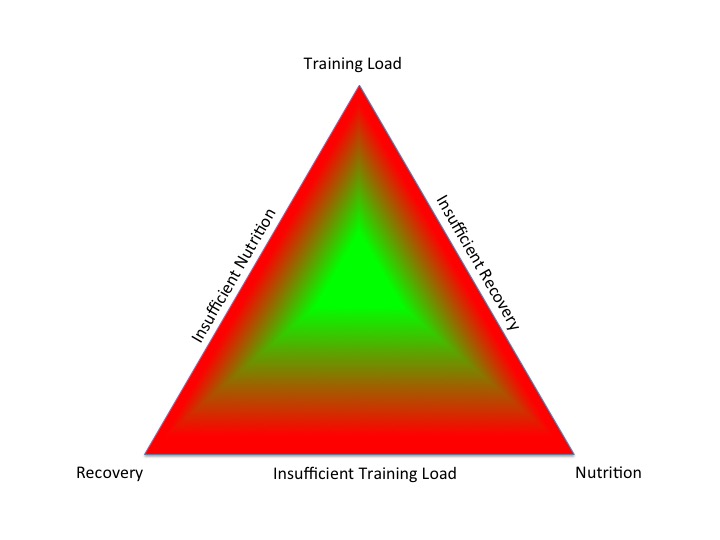
If you weren’t able to come and participate in the discussion, these are some topics presented. My opening presentation (see video below) set the scene, outlining why having an optimally functioning Endocrine system is fundamental to health and performance. Conversely, functional disruption of Endocrine networks occurs with non integrated periodisation of the three key lifestyle factors of exercise/training, nutrition and recovery/sleep, which can lead to adverse effects on health and athletic performance.

In the case of an imbalance in training load and nutrition, this can manifest as the female athlete triad, which has now evolved into relative energy deficiency in sports (RED-S) in recognition of the fact that Endocrine feedback loops are disrupted across many hormonal axes, not just the reproductive axis. And, significantly, acknowledging the fact that males athletes can also be impacted by insufficient energy availability to meet both training and “housekeeping” energy requirements. Why and how RED-S can affect male athletes, in particular male competitive road cyclists, was discussed, highlighting the need for further research to investigate practical and effective strategies to optimise health and therefore ultimately performance in competition.

A degree of overlap and interplay exists between RED-S (imbalance in nutrition and training load), non functional over-reaching and over-training syndrome (imbalances in training load and recovery). Indeed research evidence was presented suggesting that RED-S increases the risk of developing over-training syndrome. In these situations of functional disruption of the Endocrine networks, underlying Endocrine conditions per se should be excluded. Case studies demonstrated this principle in the diagnosis of RED-S. This is particularly important in the investigation of amenorrhoea. All women of reproductive age, whether athletes or not, should have regular menstruation (apart from when pregnant!), as a barometer of healthy hormones. Indeed, since hormones are essential to drive positive adaptations to exercise, healthy hormones are key in attaining full athletic potential in any athlete/dancer, whether male or female. Evidence was presented from research studies for the role of validated Endocrine markers and clinical menstrual status in females as objective and quantifiable measures of energy availability and hence injury risk in both male and female athletes.

Slide1
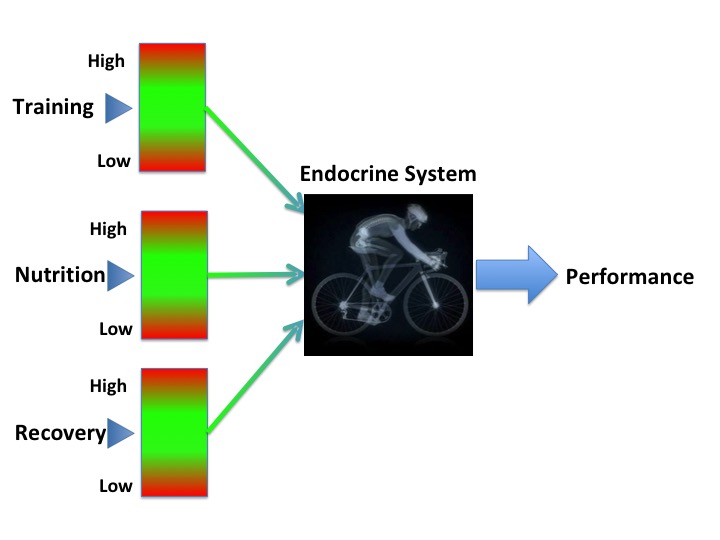
Triumvirate of external factors impacting Endocrine system and hence performance

Alongside training metrics, if female athletes recorded menstrual pattern (as Gwen Jorgensen recently showed on her Training Peaks) and all athletes kept a biological passport of selected Endocrine markers; this could potentially identify at an early stage any imbalances in the triumvirate of training load, nutrition and recovery. Pre-empting development of RED-S or over-training syndrome, supports the maintenance of healthy hormones and hence optimal human performance.

Look out for presentations from speakers which will be uploaded on BASEM website shortly.

References

Video of presentation on the Endocrine and Metabolic Aspects of Sports and Exercise Medicine BASEM conference “Health, Hormones and Human Performance”

Study of hormones, body composition, bone mineral density and performance in competitive male road cyclists Investigation of effective and practical nutrition and off bike exercise interventions

Sports Endocrinology – what does it have to do with performance? Keay BJSM 2017


Health and Performance during Lifespan: latest research

LifeSeasonDay

Your lifespan depends on genetic and key lifestyle choices

Lifespan is dependent on a range of genetic factors combined with lifestyle choices. For example a recent study reported that an increase in one body mass index unit reduced lifespan by 7 months, whilst 1 year of education increased lifespan by 11 months. Physical activity was shown to be a particularly important lifestyle factor through its action on preventing age-related telomere shortening and thus reducing of cellular ageing by 9 years. Nevertheless, even though males and females have essentially identical genomes, genetic expression differs. This results in different disease susceptibilities and evolutionary selection pressures. More studies involving female participants are required!

Circadian clock

Much evidence is emerging about the importance of paying respect to our internal biological clocks when considering the timing of lifestyle factors such as eating, activity and sleep. For example intermittent fasting, especially during the night, and time restricted eating during the day enables metabolic flexibility. In other words, eating within a daylight time window will support favourable metabolism and body composition. No midnight snacks!

For athletes, even more care needs be given to timing of nutrition to support athletic performance. In the short term there is evidence that rapid refuelling after training with a combination of carbohydrate and protein favours a positive balance of bone turnover that supports bone health and prevents injury in the longer term. Periodised nutrition over a training season, integrated with exercise and recovery, is important in order to benefit from training adaptations and optimise athletic performance.

Protein intake in athletes and non athletes

Recovering from injury can be a frustrating time and some athletes may be tempted to reduce food intake to compensate for reduced training. However, recommendations are to maintain and even increase protein consumption to prevent a loss of lean mass and disruption of metabolic signalling. In the case of combined lifestyle interventions, such as nutrition and exercise aimed at reducing body weight, these should be directed at improving body composition. Adequate protein intake alongside exercise will maintain lean mass in order to minimise the risk of sarcopenia and associated bone loss which can occur during hypocaloric regimes. Good protein intake is important for bone health to support bone mineral density and reduce the risk of osteoporosis and fracture.

Adolescent Athlete

In the young athlete, integrated periodisation of training, nutrition and recovery is of particular importance, not only to support health and performance, but as an injury prevention strategy.  Sufficient sleep and nutrition to match training demands are key.

Differences between circadian phenotype and performance in athletes

For everyone, whether athlete or reluctant exerciser, balancing and timing key lifestyle choices of exercise, nutrition and sleep are key for optimising health and performance. However there are individual differences when it comes to the best time for athletes to perform, according to circadian phenotype/chronotype. In other words personal biological clocks which run on biological time. An individual’s performance can vary by as much as 26% depending on the time of day relative to one’s entrained waking time.

Later in Life

Ageing can be can be confused with loss of fitness and ability to perform activities of daily living. Although a degree of loss of fitness does occur with increasing age, this can be prevented to a certain degree and certainly delayed with physical activity. Exercise attenuates sarcopenia, which supports bone mineral density with the added benefit of improved proprioception, helping to reduce risk of falls and potential fracture; not to mention the psychological benefits of exercise.


For more discussion on Health Hormones and Human Performance come to British Association of Sport and Exercise Medicine Spring Conference 

BAsem2018_SpringConf_BJSM

References

Genome-wide meta-analysis associates HLA-DQA1/DRB1 and LPA and lifestyle factors with human longevity Nature Communications 2017

Physical activity and telomere length in U.S. men and women: An NHANES investigation Preventive Medicine 2017

The landscape of sex-differential transcriptome and its consequent selection in human adults BMC Biology 2017

Temporal considerations in Endocrine/Metabolic interactions Part 1 British Journal of Sport and Exercise Medicine, October 2017

Flipping the Metabolic Switch: Understanding and Applying the Health Benefits of Fasting Obesity 2017

Temporal considerations in Endocrine/Metabolic interactions Part 2 British Journal of Sport and Exercise Medicine, October 2017

Time-restricted eating may yield moderate weight loss in obesity Endocrine Today 2017

The Effect of Postexercise Carbohydrate and Protein Ingestion on Bone Metabolism Translational Journal of the American College of Sports Medicine 2017

Periodized Nutrition for Athletes Sports Medicine 2017

Internal Biological Clocks and Sport Performance British Journal of Sport and Exercise Medicine, October 2017

Nutritional support for injuries requiring reduced activity Sports in Science Exchange 2017

Balance fat and muscle to keep bones healthy, study suggests NTU October 2017

Dietary Protein Intake above the Current RDA and Bone Health: A Systematic Review and Meta-Analysis Journal of the American College of Nutrition 2017

Too little sleep and an unhealthy diet could increase the risk of sustaining a new injury in adolescent elite athletes Scandinavian Journal of Medicine & Science in Sports

Sleep for health and sports performance British Journal of Sport and Exercise Medicine, 2017

The impact of circadian phenotype and time since awakening on diurnal performance in athletes Current Biology

Successful Ageing British Association of Sport and Exercise Medicine 2017

Focus on physical activity can help avoid unnecessary social care BMJ October 2017

Biochemical Pathways of Sarcopenia and Their Modulation by Physical Exercise: A Narrative Review Frontiers in Medicine 2017


Lifestyle Choices

Slide1
Lifestyle Choices: Exercise, Nutrition, Sleep

Lifestyle factors of exercise, nutrition and sleep are vital for optimising health. In the illustration shown, ideally we should be in the green zone representing a balance between these lifestyle factors. Slipping into the peripheral red zone represents an imbalance: either too much or too little of any of these three elements. In particular exercise is of paramount importance being the most effective way of producing beneficial, multi-system effects mediated via the Endocrine system to optimise health and playing an important role in chronic disease prevention. However, it is not just a matter of what, but when: timing is crucial in integrating lifestyle factors with internal biological clocks. Beyond these guiding principles, personal preference and choice is emerging as being just as important as the lifestyle factor itself.

In a fascinating study, 58 participants were given either a prescribed exercise session, or a choice of exercise. Afterwards the participants were presented with a choice of foods, which they believed was simply as way of thank you for taking part in the exercise study. Post exercise, in those given no choice exercise, higher energy intake of food was consumed with larger proportion of “unhealthy” food compared to choice exercise group. The choice exercise group reported greater value and enjoyment of the exercise session. Thus autonomous choice of exercise not only provides positive reinforcement of exercising, but subsequent food choice is improved.

This concept of facilitating self determination, particularly when it comes to exercise was explored at the the recent annual British Association of Sport and Exercise conference. “Practicalities of intervention design, adherence and motivation” was presented by Dr Carly McKay from Bath University, who described how empowering people to make choices is far more likely to mean they will adhere to those lifestyle options that will optimise health.

What about the optimal timing of exercise which might improve motivation and performance? Well this depends on the context and what you are trying to achieve. In the case of training for competition and competition itself, optimal performance tends to be early evening, providing the most favourable hormonal milieu. Although in theory the morning diurnal release of cortisol might help with exercise, the downside is that this may interfere with blood glucose regulation. Furthermore, focusing on just one hormone in the Endocrine system, rather than the integrated function of the hypothalamic-pituitary axis could be misleading. Although due respect should be paid to internal biological clocks, to prevent circadian misalignment between internal pacemakers and external factors; equally becoming too obsessive about sticking to a rigid schedule would psychologically take away that essential element of choice. Practicality is a very important consideration and a degree of flexibility when planning the timing of exercise. For example, my choice of cardiovascualar exercise is swimming, which I fit in according to work commitments and when public lane swimming is available. Fortunately whilst at the BASEM conference in Bath, these practical conditions were met during the lunch break to take advantage of the 50m pool at Bath University. Pragmatic, not dogmatic when it comes to timing of exercise.

Timing of nutrition post exhaustive exercise is an important factor in supporting bone health. Immediate, rather than delayed refuelling with carbohydrate and protein is more advantageous in the balance of bone turnover markers; favouring formation over resorption. In the longer term, prolonged low energy availability as in the situation of relative energy deficiency in sport (RED-S) has a potentially irreversible adverse effect on bone health. In terms of the timing of meals, not eating too close to going to sleep, ideally 2 hours before melatonin release, is best for metabolic health.

Backing up the lifestyle choices of exercise and nutrition is sleep. Timing, duration and quality of sleep is essential for many aspects of health such as hormonal release of growth hormone, functional immunity and cognitive function. Certainly it is well recognised that shift workers, with circadian misalignment: disturbed sleep patterns relative to intrinsic biological clocks, are more at risk of developing cardio-metabolic disease.

In summary, a prescriptive approach to lifestyle factors could be counter productive. Discussing options and encouraging individuals to make their own informed and personal choices is far more likely to enable that person to take responsibility for their health and adhere to changes in lifestyle that are beneficial for their health. Having worked in hospital based NHS diabetic clinics for many years, I appreciate that supporting reluctant exercisers is not always an easy task. Equally it can be difficult to distinguish between the effects of ageing and loss of fitness. However, this does not mean that this supportive and inclusive approach should be abandoned. Rather, encouraging people to participate in decision making that they feel leads to options that are realistic and beneficial, is the approach most likely to work, especially in the long term.

“If we could give every individual the right amount of nourishment and exercise, not too little and not too much, we would have found the safest way to health.”
— Hippocrates

For more discussion on Health Hormones and Human Performance come to British Association of Sport and Exercise Medicine Spring Conference 

BAsem2018_SpringConf_BJSM

References

Presentations

One road to Rome: Exercise Dr N. Keay, British Journal of Sports Medicine 2017

Endocrine system: balance and interplay in response to exercise training Dr N. Keay 2017

Temporal considerations in Endocrine/Metabolic interactions Part 1 Dr N. Keay, British Journal of Sports Medicine 2017

Temporal considerations in Endocrine/Metabolic interactions Part 2 Dr N. Keay, British Journal of Sports Medicine 2017

Internal Biological Clocks and Sport Performance Dr N. Keay, British Association of Sport and Exercise Medicine 2017

Providing Choice in Exercise Influences Food Intake at the Subsequent Meal Medicine & Science in Sports & Exercise October 2017

BASEM/FSEM Annual Conference 2017, Assembly Rooms, Bath

Addiction to Exercise – what distinguishes a healthy level of commitment from exercise addiction? Dr N. Keay, British Journal of Sports Medicine 2017

The Effect of Postexercise Carbohydrate and Protein Ingestion on Bone Metabolism Translational Journal of the American College of Sports Medicine October 2017

Optimal Health: For All Athletes! Part 4 – Mechanisms Dr N. Keay, British Association of Sport and Exercise Medicine 2017

Sleep for health and sports performance Dr N. Keay, British Journal of Sports Medicine 2017

Focus on physical activity can help avoid unnecessary social care British Medical Journal October 2017

Internal Biological Clocks and Sport Performance

A Nobel Prize was awarded this week to researchers who uncovered the molecular mechanisms controlling circadian rhythm: our internal biological clock.

PastedGraphic-2
Circadian Hormone Release

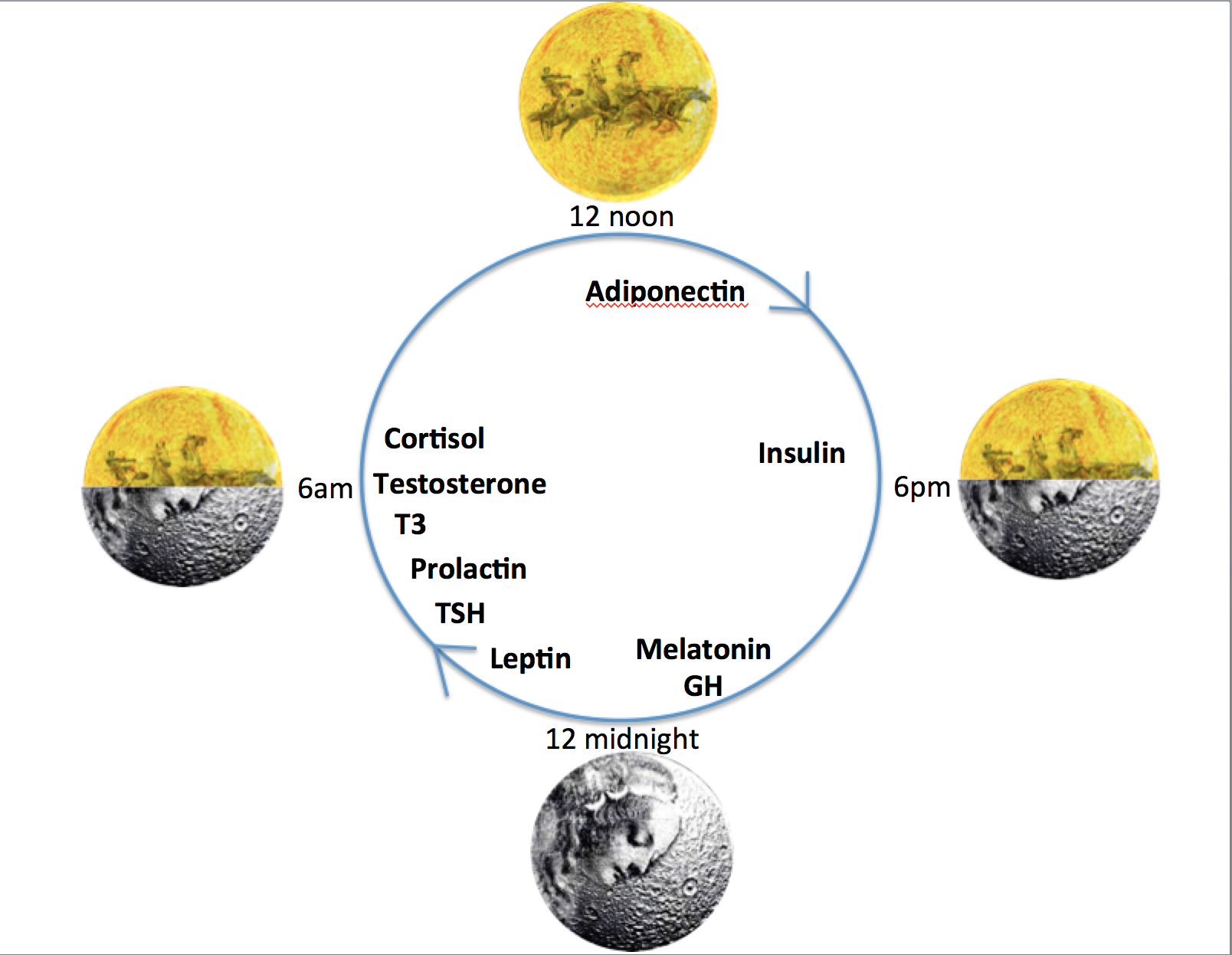
These mechanisms rely on negative feedback loops found in many biological systems where periodicity of gene expression is key, such as the Endocrine system. Internal biological clocks allow for anticipation of the requirements from body systems at different times of the day and the ability to adapt to changes in external lifestyle factors. What is the clinical significance of biochronometers?

The importance of integration of lifestyle factors, such as timing of eating, activity and sleep with our internal biological clocks is revealed in situations of circadian misalignment that lead to suboptimal health and disease states in the longer term.

Consideration of our biochronometers is especially important for athletes in order to synchronise periodised training, nutrition and recovery and thus optimise health and sports performance.

Athletic Performance Performance in a cycle time trial was found to be better in the evening, rather than the morning, proposed to be due to a more favourable endogenous hormonal and metabolic internal milieu. Certainly there were some disgruntled swimmers at an international event, when the usual pattern of morning heats and evenings finals was switched, to accommodate television viewing spectators.

Female athletes: menstrual cycle/training season Women have an extra layer of endogenous biological periodicity in the form of the menstrual cycle controlled by temporal changes of hormone release in the hypothamalmus-pituitary-ovarian Endocrine axis. Changes in external factors of training load, nutrition and recovery are detected by the neuroendocrine gatekeeper, the hypothalamus, which produces an appropriate change in frequency and amplitude of GnRH (gonadotrophin releasing hormone), which in turn impacts the pulsatility of LH (lutenising hormone) release from the pituitary and hence the phases of the menstrual cycle, in particular ovulation. Even short term reduction of energy availability in eumenorrhoeic female athletes can inhibit LH pulsatility frequency and release of other hormones such as IGF1. Disrupted release of sex steroids and IGF1 has a negative effect on bone turnover: increased resorption and decreased formation. Active females have been found more susceptible to reduction in energy availability impacting bone metabolism than their male counterparts.

Another consequence of the phasic nature of the menstrual cycle relating to external factors such as exercise, is that injury risk could be linked to changes in the expression of receptors for for sex steroids oestrogen and progesterone in skeletal muscle. Certainly during pregnancy and the post partum period, relaxin hormone increases the laxity of soft tissues, such as ligaments, and hence maintenance stretching, rather than seeking to increase flexibility, is recommended to prevent injury, .

In order to produce desired temporal adaptive changes in response to exercise training, signalling pathways mediated by reactive oxidative species and inflammatory markers are stimulated in the short term, with supportive Endocrine interactions in the longer term. However, an over-response can impair adaptive changes and impact other biological systems such as the immune system. This maladaptive response could occur as a result of non-integrated periodisation of training, nutrition and recovery in athletes and, in the case of female athletes, oral contraceptive pill use has been implicated, as this effectively imposes a medical menopause, preventing the phasic release of endogenous hormones.

Considering a longer time scale, such as a training season, female athletes were found to have a more significant fall ferritin during than male athletes. Low normal iron does not necessarily correlate to iron deficiency anaemia, but low levels in athletes can impact bone health. Supplementation with vitamin C to improve absorption may help, although iron overload can have deleterious effects. As training intensity increases as the season progresses, six monthly haematological reviews for female athletes were recommended in this study.

Changes in set point feedback Feedback control of the Endocrine system, for example the hypothalamic-pituitary-thyroid axis is dynamic: both anticipatory and adaptive, depending on internal and external inputs. However, presentation of a prolonged stimulus can result in maladaptation in the longer term. For example, disruption of signalling pathways leading to hyperinsulinaemia results in insulin resistance, which represents the underlying pathophysiological mechanism of obesity and the metabolic syndrome. In other words a situation of tachyphylaxis, where prolonged, repeated stimulus over time results in insensitivity to the original stimulus. This also applies to the nature of exercise training over a training season and diets that exclude a major food type: temporal variety is key.

Lifespan (prematurity, ageing) Changes during the lifespan represent an important biochronometer. Premature and small-for-dates babies are at risk of long term metabolic and Endocrine dysfunction, potentially due to intrauterine reprogramming of the hypothalamic-pituitary axis. At the other end of the biological time scale, with advancing age, DNA methylation and changes in epigenetic expression occur. It has been suggested that this age related methylation drift could be delayed with calorie restriction. Melatonin, a key player in intrinsic biological time keeping has been proposed to attenuate bone resorption by reducing relative oxidative stress. This would potentially explain why shift workers with disrupted sleep patterns are reported to be at risk not only of metabolic dysfunction, but also impaired bone health. Disrupted sleep patterns are a concern for athletes, especially those whose training and competition schedule involve frequent international travel across time zones.

In summary, respecting your internal biological clocks and integrating your lifestyle and your training, nutrition and recovery with these intrinsic pacemakers in mind will optimise health and performance.

References

The Nobel Prize in Physiology or Medicine 2017

Circadian clock control of endocrine factors Nat. Rev. Endocrinol

Temporal considerations in Endocrine/Metabolic interactions Part 1 Dr N. Keay, British Journal of Sports Medicine 2017

Temporal considerations in Endocrine/Metabolic interactions Part 2 Dr N. Keay, British Journal of Sports Medicine 2017

Athletic Fatigue: Part 2 Dr N. Keay 2017

Effect of Time of Day on Performance, Hormonal and Metabolic Response during a 1000-M Cycling Time Trial Plos One 2017

Optimal Health: For All Athletes! Part 4 – Mechanisms Dr N. Keay, British Association of Sport and Exercise Medicine 2017

Effects of reduced energy availability on bone metabolism in women and men Bone 2017

Expression of sex steroid hormone receptors in human skeletal muscle during the menstrual cycle Acta Physiol (Oxf). 2017

Endocrine system: balance and interplay in response to exercise training

Kynurenic acid is reduced in females and oral contraceptive users: Implications for depression Science Direct 2017

Oxidative Stress in Female Athletes Using Combined Oral Contraceptives Sports Medicine

Iron monitoring of male and female rugby sevens players over an international season J Sports Med Phys Fitness. 2017

Thyroid Allostasis–Adaptive Responses of Thyrotropic Feedback Control to Conditions of Strain, Stress, and Developmental Programming Frontiers in Endocrinology 2017

Stress- and allostasis-induced brain plasticity Annu Rev Med

Optimising Health and Athletic Performance Dr N. Keay 2017

Long-term metabolic risk among children born premature or small for gestational age Nature Reviews Endocrinology 2017

Caloric restriction delays age-related methylation drift Nature Communications 2017

Melatonin at pharmacological concentrations suppresses osteoclastogenesis via the attenuation of intracellular ROS Osteoporosis International 2017

Sleep for health and sports performance Dr N. Keay, British Journal of Sports Medicine 2017


Optimising Health and Athletic Performance

FactorsWordCloud4

In order to improve sports performance, athletes periodise their training, nutrition and recovery within the context of a training season. For those not in exercise training, these controllable lifestyle factors correspond to exercise, diet and sleep, which require modification during the lifespan. In old money, this was called preventative medicine. Taking this a step further, rather than preventing disease, this proactive, personalised approach optimises health. Health should be a positive combination of physical, mental and social well being, not simply an absence of illness.

Failure to balance these lifestyle factors in an integrated fashion leads to negative outcomes. An athlete may experience maladaptation, rather than the desired adaptations to exercise training. For non-athletes an adverse combination of lifestyle factors can lead to suboptimal health and a predisposition to developing chronic disease.

What are the fundamental pathophysiological mechanisms involved in the aetiology of the clinical spectrum of suboptimal health, suboptimal sports performance and chronic disease?

Inflammation A degree of systemic inflammation and oxidative stress induced by exercise training is required to drive desired adaptations to support improved sport performance. However, prolonged, elevated levels of inflammation have adverse effects on health and underpin many chronic disease states. For example, inflammation is a contributing pathophysiological factor in the development of atherosclerosis and atherothrombosis in cardiovascular disease. What drives this over-response of the inflammatory process? Any combination of adverse lifestyle factors. Adipose tissue has an Endocrine function, releasing a subgroup of cytokines: adipokines which have peripheral and central signalling roles in energy homeostasis and inflammation. In a study of Belgian children, pro-inflammatory energy related biomarkers (high leptin and low adiponectin) were associated with decreased heart rate variability and hence in the long term increased risk of cardiovascular disease. For those with a pre-existing chronic inflammatory condition, response to treatment can be optimised with personalised lifestyle interventions.

Metabolism Non-integrated lifestyle factors can disrupt signalling pathways involved in glucose regulation, which can result in hyperinsulinaeamia and insulin resistance. This is the underlying pathological process in the aetiology of metabolic syndrome and metabolic inflexibility. Non-pharmacological interventions such as exercise and nutrition, synchronised with endogenous circadian rhythms, can improve these signalling pathways associated with insulin sensitivity at the mitochondrial level.

Intriguingly, evidence is emerging of the interaction between osteocalcin and insulin, in other words an Endocrine feedback mechanism linking bone and metabolic health. This is reflected clinically with increased fracture risk found amongst type 2 diabetics (T2DM) with longer duration and higher HbA1C.

Hormone imbalance The hypothalamus is the neuroendocrine gatekeeper of the Endocrine system. Internal feedback and external stimuli are integrated by the hypothalamus to produce an appropriate Endocrine response from the pituitary gland. The pathogenesis of metabolic syndrome involves disruption to the neuroendocrine control of energy homeostasis with resistance to hormones secreted from adipose tissue (leptin) and the stomach (ghrelin). Further evidence for the important network effects between the Endocrine and metabolic systems comes from polycystic ovarian syndrome (PCOS). Although women with this condition typically present to the Endocrine clinic, the underlying aetiology is metabolic dysfunction with insulin resistance disrupting the hypothamic-pituitary-ovarian axis. The same pathophysiology of disrupted metabolic signalling adversely impacting the hypothalamic-pituitary-gonadal axis also applies to males.

In athletes, the exact same signalling pathways and neuroendocrine systems are involved in the development of relative energy deficiency in sports (RED-S) where the underlying aetiology is imbalance in the periodisation of training load, nutrition and recovery.

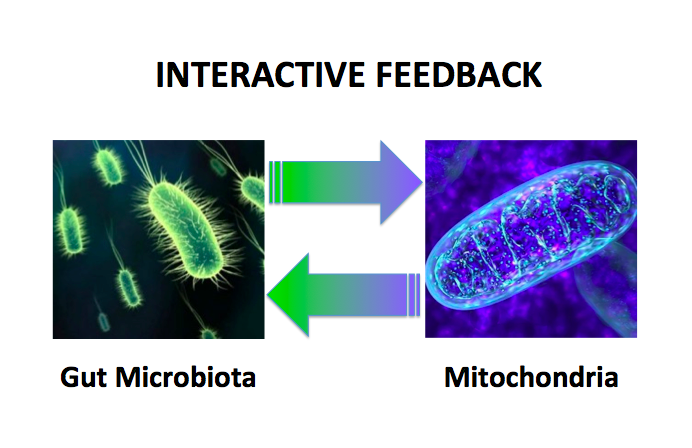
Gastrointestinal tract In addition to malabsorption issues such as coeliac disease and non-gluten wheat sensitivity, there is emerging evidence that the composition and diversity of the gut microbiota plays a significant role in health. The microbiome of professional athletes differs from sedentary people, especially at a functional metabolic level. Conversely, an adverse gut microbiome is implicated in the pathogenesis of metabolic dysfunction such as obesity and T2DM, via modulation of enteroendocrine hormones regulating appetite centrally and insulin secretion peripherally.

Circadian disregulation As previously discussed, it is not just a question of what but WHEN you eat, sleep and exercise. If there is conflict in the timing of these lifestyle activities with internal biological clocks, then this can disrupt metabolic and endocrine signally. For example, in children curtailed sleep can impact glucose control and insulin sensitivity, predisposing to risk of developing T2DM. Eating too close to the onset of melatonin release in the evening can cause adverse body composition, irrespective of what you eat and activity levels. In those with pre-existing metabolic dysfunction, such as PCOS, timing of meals has an effect on insulin levels and hence reproductive Endocrine function. The immune system displays circadian rhythmicity which integrated with external cues (for example when we eat/exercise/sleep) optimises our immune response. For athletes competing in high intensity races, this may be more favourable in terms of Endocrine and metabolic status in the evening.

Psychology Psychological stress impacts the key pathophysiological mechanisms outlined above: metabolic signalling, inflammation and neuroendocrine regulation, which contribute to Endocrine and metabolic dysfunction. Fortunately stress is a modifiable lifestyle risk factor. In the case of functional hypothalamic amenorrhoea (where nutrition/exercise/sleep are balanced), psychological intervention can reverse this situation.

Conclusion Putting this all together, if the modifiable lifestyle factors of exercise, nutrition, sleep are optimised in terms of composition and timing, this improves metabolic and Endocrine signalling pathways, including neuroendocrine regulation. Preventative Medicine going beyond preventing disease; it optimises health.

BASEM annual conference 22/3/18: Health, Hormones and Human Performance

Presentations

References

Athletic Fatigue: Part 2 Dr N. Keay

From population based norms to personalised medicine: Health, Fitness, Sports Performance Dr N. Keay, British Journal of Sports Medicine 2017

Endocrine system: balance and interplay in response to exercise training Dr N. Keay

Saturated fat does not clog the arteries: coronary heart disease is a chronic inflammatory condition, the risk of which can be effectively reduced from healthy lifestyle interventions British Journal of Sports Medicine 2017

Longitudinal Associations of Leptin and Adiponectin with Heart Rate Variability in Children Frontiers in Physiology 2017

A Proposal for a Study on Treatment Selection and Lifestyle Recommendations in Chronic Inflammatory Diseases: A Danish Multidisciplinary Collaboration on Prognostic Factors and Personalised Medicine Nutrients 2017

Assessment of Metabolic Flexibility by Means of Measuring Blood Lactate, Fat, and Carbohydrate Oxidation Responses to Exercise in Professional Endurance Athletes and Less-Fit Individuals Sports Medicine 2017

Skeletal muscle mitochondria as a target to prevent or treat type 2 diabetes mellitus Nature Reviews Endocrinology

Insulin and osteocalcin: further evidence for a mutual cross-talk Endocrine 2017

HbA1c levels, diabetes duration linked to fracture risk Endocrine Today 2017

The cellular and molecular bases of leptin and ghrelin resistance in obesity Nature Reviews Endocrinology 2017

Metabolic and Endocrine System Networks Dr N. Keay

Adiponectin and resistin: potential metabolic signals affecting hypothalamo-pituitary gonadal axis in females and males of different species Reproduction 2017

Optimal Health: For All Athletes! Part 4 – Mechanisms Dr N. Keay, British Association of Sport and Exercise Medicine 2017

Ubiquitous Microbiome: impact on health, sport performance and disease Dr N. Keay

The microbiome of professional athletes differs from that of more sedentary subjects in composition and particularly at the functional metabolic level Gut. BMJ

Interplay between gut microbiota, its metabolites and human metabolism: Dissecting cause from consequence Trends in Food Science & Technology 2016

Temporal considerations in Endocrine/Metabolic interactions Part 1 Dr N. Keay, British Journal of Sports Medicine 2017

Temporal considerations in Endocrine/Metabolic interactions Part 2 Dr N. Keay, British Journal of Sports Medicine 2017

Sleep Duration and Risk of Type 2 Diabetes Paediatrics 2017

Later circadian timing of food intake is associated with increased body fat Am J Clin Nutr. 2017

Effects of caloric intake timing on insulin resistance and hyperandrogenism in lean women with polycystic ovary syndrome Clin Sci (London)

Immunity around the clock Science

Effect of Time of Day on Performance, Hormonal and Metabolic Response during a 1000-M Cycling Time Trial PLOS

Type 2 diabetes mellitus and psychological stress — a modifiable risk factor Nature Reviews Endocrinology 2017

Recovery of ovarian activity in women with functional hypothalamic amenorrhea who were treated with cognitive behaviour therapy Fertil Steril


Relative Energy Deficiency in Sports (RED-S) Practical considerations for endurance athletes

Slide1

Introduction Relative Energy Deficiency in Sport (RED-S) has evolved from the previously described Female Athlete Triad (menstrual dysfunction, disordered eating and decreased bone mineral density). The reason for the development of this clinical model of RED-S is that it has become apparent that low energy availability, ie not eating enough calories to support the combined energy demands of health and training, has more widespread adverse impacts on health and consequently performance in athletes and dancers than previously recognised. Furthermore, the RED-S model includes both male and female athletes– so if you are a male athlete, please do not stop reading! Low energy availability can impact male and female exercises of all levels and of all ages. Young developing athletes can be at particular risk of RED-S as this represents a time of growth and development, which entails many nutritional demands, in addition to those to support training. This represents a time to set up the template for health into adulthood.

Why does RED-S occur? RED-S is particularly prevalent in sports where low body weight confers a performance advantage or for aesthetic reasons. For example: long distance running, triathlon, gymnastics, dance and cycle road racing. However, RED-S could also occur not as an intentional strategy to control body weight, but rather during cycles of increased training load where periodised nutrition has not been synchronised with the increased demand on the body.

What is RED-S? Fundamentally there is a mismatch between food intake (in terms of energy and micronutrients) and the demand for nutrition required to cover expenditure, both of exercise training and for basic “housekeeping” tasks in the body to maintain health. If there is insufficient energy availability, then the body switches into an energy saving mode. This “go slow” mode has implications for hormone production and metabolic processes, which impacts all systems throughout the body. The reason why RED-S was originally described as the Female Athlete Triad is that in women the “energy saving mode” involves menstrual periods being switched off: a pretty obvious external sign as all women of child bearing age should have periods (apart from when pregnant). Low oestrogen levels have an adverse effect on bone health, resulting in decrease in bone mineral density. This effectively renders young women at increased risk of both soft tissue and bone injury, as seen in post-menopausal women. As described in the IOC statement published 2014 and updated 2018 in British Journal of Sports Medicine , the Female Athlete Triad is now recognised as just the tip of the iceberg. Disruption of hormone levels does not only adversely impact menstrual periods and bone health. There are knock on effects impacting the immune system, cardiovascular system, muscles, nervous system, gut health and the list goes on. Importantly, it is recognised that this situation is also seen in male athletes: low energy availability resulting in adverse health and performance consequences. Although exercise/dance is known to have many beneficial effects on health, all these beneficial effects are negated by low energy availability. For example, whether or not a sport is weight bearing, which traditionally improves bone health, in RED-S the predominant effect of disrupted hormones is to decrease bone density, leading to increased fracture risk.

Male cyclists Road cyclists are doubly at risk of the detrimental effects of RED-S on bone health. Performing a non-weight bearing form of exercise deprives the skeleton of the positive effect of mechanical skeletal loading on bone health. Furthermore being low body weight is a performance advantage for road cyclists when it comes to riding up hills/mountains in order to produce higher Watts/Kg over 60 minutes (60 minute functional threshold power FTP). This puts cyclists at risk of developing low energy availability, endocrine dysfunction and consequent impairment of bone health. In weight bearing sport the warning sign of suboptimal bone health if often stress fracture. This will be absent in cyclists. Hence low energy availability may go unrecognised until a bike fall results in serious fracture and indeed fractures appears as the most common type of injury amongst cyclists. Furthermore, the lumbar spine is recognised as the site most susceptible to endocrine dysfunction in RED-S. Vertebral fracture is recorded as the type of fracture in cyclists requiring the longest time off the bike. In a recent study, it was found that the factor most indicative of 60 minute FTP, was training load and NOT low body fat. Furthermore, training in low energy availability state will not result in the expected 60 minute FTP performance. So far more effective to train with sufficient nutrition on board, rather than restricting intake which will render training less effective.

What is the significance of RED-S? Do these effects of RED-S matter? Yes: there is a detrimental effect on not only health, but on all elements of sports performance. These include an inability to improve as expected in response to training and increased risk of injury. In the long-term there are potential implications for health with inability to reach peak bone mass for young athletes and at the other end of the scale, irreversible bone loss being seen in retired athletes.

Here is a summary of the potential impact of RED-S:

• Endocrine dysfunction: decreased training response

• Metabolic disruption: decreased endurance performance

• Bone health: increased risk bone stress injuries

• Decreased functional immunity: prone to infection

• Gut malfunction: impaired absorption of nutrients

• Decreased neuromuscular co-ordination: injury risk

• Psychological impact: inability to recognise risk developing RED-S

As you can see, these adverse effects are all relevant to performance in endurance sport.

What to do if you are concerned you may have RED-S?

Health Considerations:

• Women: even if your adult weight is steady, if you are a female athlete of reproductive age whose periods have stopped, then do not ignore this! In the first instance, you need to exclude any other causes (for example polycystic ovary syndrome and other hormone issues) in conjunction with your doctor. Then take a look at how you are eating in line with your training load – see the nutritional considerations section below.

• Men: if you are a male athlete struggling to improve sport performance, then review both your training load and your periodised nutrition and recovery. If the cause is RED-S then do not wait until your sport performance drops or you get injured before taking action. You may also want to consider having your testosterone levels measured to check that these are in the normal range.

Nutritional Considerations: From colleague Jo Scott-Dalgleish BSc (Hons), mBANT, CNHC

It is important to consider whether the energy deficiency that you are experiencing is intentional or unintentional.

Intentional: you may be deliberately restricting your calorie intake to lose weight and body fat, although you are already a healthy weight, as you believe this will improve your power-to-weight ratio or run speed.

  • If you are trying to lose weight – or anxious about gaining weight – and experiencing issues with hormones (such as missing your periods or not experiencing morning erections) or bone health (such as getting a stress fracture) or finding that your performance is declining rather than improving, it may be time to seek support.
  • This is particularly important if your eating patterns have become disordered, eg exclusion of multiple food groups, binge eating and/or purging, or deliberately avoiding social situations around food.
  • Please visit the resources section of an excellent campaign website that has been put together to help athletes talk more openly about their experiences with food, disordered eating and RED-S and find help: https://trainbrave.org/resources/.
  • Another great resource to learn more about RED-S and how it can adversely affect your health is http://health4performance.co.uk/athlete-dancer/

Unintentional: eating fewer calories than your body needs when you are training hard is common in endurance athletes and often not deliberate.

  • You may not yet be experiencing the symptoms of RED-S outlined as above, but you are greatly at risk of doing so if you continue to under-eat relative to your training over a period of months or years.
  • You do not need to be losing weight to be energy deficient, as your body’s metabolism adjusts to a lower intake but compromises on other functions while your weight stays the same. For example, you may experience constipation or bloating due to slowed digestive function. Here are some tips to help you meet your energy needs.

Here are some tips to help you to better manage your energy intake if you are at unintentional risk of RED-S.

  • Track your food intake vs energy expenditure for a short period. Use My Fitness Pal or a similar app to track these daily over the course of week. On any day when you train, if you are consuming fewer than 2500 calories as a male endurance athlete and 2000 calories as a female endurance athlete after taking your energy expenditure through training into account, your intake is likely to be inadequate as these are the guidelines for the general population. Use this data to learn more about appropriate food choices and serving sizes and introduce some changes to increase your intake in line with your training load. But I do not suggest using apps like these on a long-term basis as they may encourage an unhealthy obsession with your food intake.
    • Periodise your carbohydrate intake in line with your training. Increase your intake of starches and sugars (including vegetables and fruit) on your heavier training days. A low daily carbohydrate intake might be in the range of 2-4 g/kg of body weight. This is OK for lower volume training days but should be increased to 5-8 g/kg when training for 2-3 hours or more in a single day. This would include use of sports nutrition products like bars, gels and sports drinks during training. Again, use an app like My Fitness Pal for a week to help you assess your carbohydrate intake.
  • Pay attention to your recovery nutrition. Consuming 15-25g of protein and 45-75g of carbohydrate in the hour after exercise, whether as a snack or as part of a meal will help you to each your energy intake goals, restock your glycogen stores for your next training session and protect lean muscle mass.
  • Avoid excluding foods, whole food groups or following ‘fad diets’. Unless you have a genuine allergy or a diagnosed medical condition such as coeliac disease or lactose intolerance. Or you have been advised to avoid certain foods by a dietician or other well-qualified nutrition practitioner to help manage a health condition such as Irritable Bowel Syndrome. If you are vegetarian or vegan, see my blog here [link to https://www.endurancesportsnutritionist.co.uk/blog/vegan-diets-guide-endurance-athlete/] for tips on ensuring a well-balanced approach.
  • Focus on nutrient density. Make good quality food choices to help you get enough vitamins and minerals as well as carbohydrates, protein, fat and fibre. Try to eat fresh, minimally processed foods rather than too much packaged food, including 3-5 servings of vegetables and 2-3 pieces of fresh fruit each day.

If you are experiencing relative energy deficiency, avoid following approaches like fasted training, where the training benefits are likely to be outweighed by the pitfalls of inadequate calorie intake. I also suggest avoiding low carb-high fat diets (LCHF) due to potential adverse effects on thyroid hormones, particularly T3, which may slow down metabolism and impact on performance. It can also be difficult to obtain adequate calories from these types of diets due to the near exclusion of a whole food group – which is why they may be very effective for weight loss in people who are overweight – and the lack of carbohydrate may harm performance through a loss of metabolic flexibility, ie ability to utilise carbohydrate as fuel when required for high intensity efforts.

Conferences in Sport/Dance, Exercise Science and Medicine 2018

References

Raising Awareness of RED-S in Male and Female Athletes and Dancers Dr N. Keay, British Journal of Sport Medicine 2018

2018 UPDATE: Relative Energy Deficiency in Sport (RED-S) Dr N. Keay, British Journal of Sport Medicine 2018

Low energy availability assessed by a sport-specific questionnaire and clinical interview indicative of bone health, endocrine profile and cycling performance in competitive male cyclists. Keay N, Francis G, Hind K. BMJ Open Sport & Exercise Medicine 2018

Optimal health: including female athletes! Part 1 Bones Dr N. Keay, British Journal of Sport Medicine 2017

Optimal health: including male athletes! Part 2 Relative Energy Deficiency in sports Dr N. Keay, British Journal of Sport Medicine 2017

Optimal Health: Especially Young Athletes! Part 3 – Consequences of Relative Energy Deficiency in Sports Dr N. Keay, British Association of Sport and Exercise Medicine 2017

Mechanisms for optimal health…for all athletes! Dr N. Keay, British Journal of Sport Medicine 2017

The IOC consensus statement: beyond the Female Athlete Triad—Relative Energy Deficiency in Sport (RED-S) British Journal of Sports Medicine 2014

Nutritional considerations for vegetarian endurance athletes Jo Scott-Dalgleish, Endurance Sports Nutrition 2017

What has your gut microbiome ever done for you?

a-muciniphila-233x300

Our body acts as a host to vast array of micro-organisms. Often, we are only aware of these micro-organisms causing unwanted infection: for example when a cut on the skin becomes infected, or we suffer with a bout of infective gastro-intestinal upset. Actually, this perception of the micro-organisms, living both on and inside, only causing unwanted infections is very biased. The microbiome (all the micro-organisms, their genetic material and metabolites produced) plays a vital role in keeping us healthy.

Recent research demonstrates that elite level cyclists host distinct clusters of microbiome communities when compared to controls which contribute to more effective metabolic pathways.

The gut microbiota consist of the range of micro-organisms living in our gut, mainly the colon. Recent research reveals that the diversity and functions of the gut microbiota have far reaching impact on health. For example, there is an important interaction between these micro-organisms and mitochondria, which are the organelles in cells responsible for producing energy. This cross talk is of particular consideration for athletes who seek to optimise energy production for training and competition. The gut microbiota also interact with the immune system and central nervous system function, including behaviour. There is evidence that the gut microbiota even influences brain development.

Microbiome Mitochondria Feedback

On the other side of the coin, any disruption in the beneficial types of gut microbiota have been linked to chronic disease states including obesity, metabolic syndrome and mental health issues. What causes imbalances in gut microbiota to produce such problems? A possible aetiology is a poorly balanced diet, or the side effect of medication which does not support the growth and function of beneficial bacteria. Rather an overgrowth of potentially harmful bacteria is favoured: dysbiosis. In athletes there is a condition know as “leaky gut” which can result from endurance training. In this scenario, blood is diverted away from the gut during exercise to the exercising muscles. After stopping exercise, blood flow is restored to the gut resulting in a mild reperfusion injury. This results in a slightly “leaky gut” so that unwanted bacteria in the gut are able to pass into the body and provoke an inflammatory response. Equally this situation can also mean desirable nutrients in the gut as less well absorbed. Although a degree of inflammatory response supports desirable adaptations to exercise, clearly an over-response will be counter productive to improving sports performance.

The gut microbiota have been reported to regulate immune function. Athletes in heavy training can experience suppressed functional immunity so any strategies to support the gut microbiota will potentially be beneficial in preventing infection.

What can you do to support a beneficial gut microbiota to support health and sport performance?

  • Try to include at least one fermented food source in your diet every day to boost your probiotic bacteria. Try sourdough bread, yogurt, kefir (similar to yogurt), sauerkraut, kimchi (Korean fermented vegetables), tempeh and miso (fermented soya products) and kombucha (fermented teas). These products can be found in health food shops and are becoming more widely available in some supermarkets and lunch places.
  • Regularly eat pre-biotic foods like garlic, onion, leeks, chickpeas, beans and lentils. These provide fuel for your probiotic bacteria, enabling them to proliferate.
  • Have adequate fibre in your diet from a wide variety of plant foods: eg wholegrains, legumes, vegetables, fruits, nuts, seeds. Dietary fibre is fermented by your probiotic bacteria to produce short chain fatty acids (SCFAs) which play a key role in keeping your gut healthy.
  • Consume foods and drinks rich in polyphenols: eg berries, green tea, coffee, black tea, red wine, dark chocolate, apples. Polyphenols, found in many plant foods, have been shown to help increase probiotic bacteria in the gut.
  • Take a good quality, multi-species probiotic supplement during winter, heavy training blocks and when travelling abroad, especially for races. To find out more about the potential benefits of probiotic supplementation for athletes, see this blog by nutritional therapist Jo Scott-Dalgleish: http://www.endurancesportsnutritionist.co.uk/blog/probiotics-guide-endurance-athlete/

To find out more about the interaction between Health, Hormones and Human Performance come to the British Association of Sport and Exercise Medicine annual conference

References

Community characteristics of the gut microbiomes of competitive cyclists Microbiome August 2017

Ubiquitous Microbiome: impact on health, sport performance and disease

Endocrine system: balance and interplay in response to exercise training

Inflammation: Why and How Much? Dr N. Keay, British Association of Sport and Exercise Medicine 2017