Effects of adaptive responses to heat exposure on exercise performance

To date few studies have been conducted on the effect of heat exposure to exercise performance in female athletes. With the publication of recent research, hopefully this will now change with the 2018 Commonwealth Games to be held in Queensland, Australia where athletes will have to compete in hot conditions.womenarenota

A picture of the author Tze-Huan Lei and participant while taking part in the experiment. Credit: David Wiltshire, Massey University, New Zealand

During the luteal phase (post ovulation, when progesterone levels rise) of the menstrual cycle, body temperature rises. Hence the previous suggestion “that women should avoid competition or face a disadvantage when performing exercise with heat stress during their luteal phase”. However recent research demonstrates that in eumenorrheic athletes, autonomic regulation of body temperature (skin blood flow and sweating) either at rest or during exercise is not effected by the phase of the menstrual cycle. As yet there are no studies of females athletes taking the oral contraceptive pill with respect to body temperature regulation.

A recently published study, conducted on male athletes demonstrated that episodic heat exposure over 11 days had a positive effect on regulating body temperature in hot conditions, associated with rapid onset of sweating. This heat exposure also increased skeletal muscle contractility. These findings suggest that heat adaptation could maintain and improve sport performance. The mechanism of this improvement in skeletal muscle contractility with heat exposure could be an increase in transcription of oxidative phosphorylation-associated genes resulting in increases in synthesis of ATP, muscle mass and strength. This effect was recorded amongst men exposed to 10 weeks of periodic heat stress, without any training. In other words heat alone, even without exercise improved skeletal muscle function.

The interesting findings of these studies investigating the adaptive responses produced by exposure to heat will hopefully stimulate further research to include female athletes who compete in the same challenging environmental conditions as male athletes.

For further discussion on Endocrine and Metabolic aspects of SEM come to the BASEM annual conference 22/3/18: Health, Hormones and Human Performance

References

Physiological Society report

The Journal of Physiology

Amercian Journal of Physiology

European Journal of Applied Physiology

Factors Impacting Bone Development

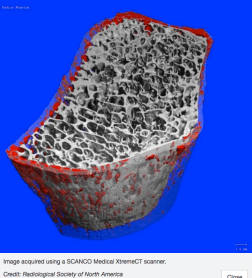
Optimal body mass index (BMI) coupled with favourable body composition of lean mass and visceral fat is associated with accrual of bone mineral density (BMD) and peak bone mass (PBM) which is vital for setting up BMD within normal ranges for adult life.

New research demonstrates that high BMI exerts a negative effect on the accumulation of BMD and bone architecture in young people. This is something of a surprise. Elevated BMI in young people is known to have a deleterious effect on cardio-metabolic health. However, to date the thinking has been that raised BMI would at least mean that weight bearing exercise would be “weighted” and hence favour accumulation of BMD. Rather it is reported that elevated BMI with increased visceral fat results in impaired bone architecture and BMD. Coupled with decreased lean mass, this means less muscle to exert force on the skeleton to promote BMD accumulation. This distorted body composition impairs attainment of PBM.screen-shot-2016-12-01-at-08-29-56

In my research, deficiency of BMD was found to be irreversible later in adult life, despite normalising body weight, shown for those at the other end of the spectrum of BMI. Those with relative energy deficiency in sports (REDs), formally known as the female athlete triad, demonstrated suboptimal BMD correlated with previous duration of low weight, amenorrhea and delayed onset of menarche, many years on despite return to optimal body weight and normal menstrual status.

Adverse body composition with increased deposition of visceral fat is seen in patients with growth hormone (GH) deficiency, for example post pituitary surgery. Interestingly in these young people with high levels of visceral fat, low levels of GH were recorded. The proposed mechanism of suppression of GH secretion in overweight young people has been discussed. Interestingly high levels of leptin are found in overweight youngsters, compared to low levels found my studies of low weight young dancers with menstrual disturbance. In other words, there appears to be feedback between body weight, body composition and the endocrine system. The other disadvantage of high levels of adipose tissue is that fat soluble vitamin D is “fat locked” and unable to support bone mineral accumulation.

Optimal BMI and body composition are factors associated with accrual of BMD and PBM which is vital for setting up BMD within normal ranges for adult life. In those young people with high BMI and disrupted body composition, dietary measures are needed to reduce body weight. Combined with exercise, including resistance and cardiovascular weight bearing forms, to improve body composition and thus bone architecture and BMD accrual.

For further discussion on Endocrine and Metabolic aspects of SEM come to the BASEM annual conference 22/3/18: Health, Hormones and Human Performance

References

Optimal health: including female athletes! Part 1 Bones Dr N. Keay, British Journal Sport Medicine

Optimal Health: Especially Young Athletes! Part 3 – Consequences of Relative Energy Deficiency in Sports Dr N. Keay, British Association Sport and Exercise Medicine

Science Daily

EurekaAlert

Paediatric Reports

Health and Fitness in young people

Recent reports reveal that children in Britain are amongst the least active in the world. At the other end of the spectrum there have been a cluster of articles outlining the pitfalls of early specialisation in a single sport.

Regarding the reports of lack of physical activity amongst young people in Britain, this is of concern not only for their current physical and cognitive ability, but has repercussions for health in adult life. Research demonstrates that young people with low cardiovascular fitness have an increased risk of developing cardiovascular disease in adult life. Conversely, the beneficial effects of weight bearing exercise in prepubescent girls has been shown to enhance bone mineral density accumulation, which will have beneficial impact on peak bone mass. However, as I found in my longitudinal studies, the level of exercise has to be in conjunction with an appropriate, well-balanced diet to avoid relative energy deficiency deficiency in sport (RED-S), which can compromise bone mineral density accumulation.m-running

At the other end of the scale, early specialisation in a single sport does not necessarily guarantee long term success. Rather, this can increase the risk of overuse injury in developing bodies, which in turn has long term consequences. Ensuring that all elements of fitness are considered may be an injury prevention strategy. I agree that injury prevention can be viewed as part of optimising sports performance, especially in young athletes for both the present and in the long term.

Sleep is a vital element in optimising health and fitness, especially in young people who may be tempted to look at mobiles or screens of other mobile devices which delays falling asleep by decreasing melatonin production. Sleep promotes mental freshness and physical elements such as boosting immunity and endogenous release of growth hormone. As Macbeth put it, sleep is the “chief nourisher in life’s great feast”.

A balanced approach to health and fitness should be promoted, with young people encouraged to take part in a range of sporting activities.

For further discussion on Endocrine and Metabolic aspects of SEM come to the BASEM annual conference 22/3/18: Health, Hormones and Human Performance

References

Young athletes’ optimal health: Part 3 Consequences of Relative Energy Deficiency in sports Dr N. Keay, British Association Sport and Exercise Medicine, 13/4/17

Sleep for health and sports performance Dr N. Keay, British Journal Sport Medicine, 7/2/17

Optimising health, fitness and sports performance for young people Dr N. Keay, British Journal Sport Medicine

Telegraph article

Active Healthy Kids global alliance

Poor cardiovascular fitness in young people risk for developing cardiovascular disease 

Sports Specialization in Young Athletes

IOC consensus statement on youth athletic development British Journal Sport Medicine

Enhancing Sports Performance: part 3

Amateur and recreational athletes

Recently the World Anti-Doping Agency WADA released details for the 2017 Prohibited List, which will come into effect on 1 January 2017. If you have read part 1 and part 2 of this series of blogs, you might be thinking that illegal doping to enhance sports performance is only of relevance to elite sport. Equally that the discussion of TUEs is only related to elite athletes. Well this blog will explore whether that is the case…

I am writing from a medical perspective based on my experience of working on the international medical research team that investigated the development of dope test for growth hormone GH, supported by the IOC.

The list issued by UK Anti-Doping UKAD of athletes banned from competition due to taking illegal performance enhancing drugs dispels the assumption that doping is confined to elite athletes. Indeed it is concerning that the list is substantial and includes a range of athletes from teenagers to age groupers across a variety of sports. Consider that this only shows results from sports where drug testing takes place.

As discussed in a recent article in British Medical Journal BMJ, there are an estimated 3 million anabolic steroid users in Europe alone. These users may not necessarily be involved in sports where drug testing takes place. From a medical point of view there is the concern of long term, irreversible adverse effects on health: cardiac, hepatic, psychiatric and reproductive complications.

Although professional dance can be viewed as an art form, rather than a sport, the increased technical requirements together with extended rehearsal and performance schedules place high physical and psychological demands on dancers, similar to elite athletes. In a recent article in the Dance Gazette there is discussion of “performance enhancement in dance being more about survival than competitive edge”.  Unlike sport, in classical dance there is a difference between female dancers who might dope in order to reduce body weight and male dancers looking for means to improve muscle strength.

The show must go on but the aim should be to strive for clean sport and to safeguard the health of athletes.

For further discussion on Endocrine and Metabolic aspects of SEM come to the BASEM annual conference 22/3/18: Health, Hormones and Human Performance

References

Enhancing sport performance: part 1 British Association of Sport and Exercise Medicine

Enabling Sport Performance: part 2

WADA

UKAD

BMJ 2016;353:i5023

Dance Gazette issue 3 2016 p.50-53

Enabling Sport Performance: part 2

Medical perspective on Therapeutic Use Exemptions: TUEs

As described in part 1 of this series of blogs I was on the international medical research team investigating the development of a test for identifying athletes doping with growth hormone. This experience helped form my view on the interaction of medicine and sport performance.

Over the next few days the results of anti-doping study will be presented at the International Federation Forum, with one of the discussions being “Medication Abuse in Elite Sport: the Epidemic!”

As doctors, our primary objective is to treat medical conditions in the most effective manner. It would not be ethical to withhold treatment to certain groups of patients, such as elite athletes. Therefore, where the prescribed medication for the treatment of a legitimate medical condition is on the prohibited list issued by the World Anti-Doping Agency (WADA), a TUE should be sought. After all elite athletes are just as likely to become ill as the general population, if not more so with functional immunosuppression due to training loads and possible energy deficient states.

In my opinion, the use of TUEs in the case of preventative treatment appears to be where the main discussion is centred. The athlete might not be acutely unwell, but may have a chronic condition, which can flare in an acute manner especially where there are known triggers. For example in the general population it is better medical practice to offer prophylactic treatment to a known asthmatic in order to decrease the risk of having an acute asthma attack, rather than waiting to treat an acute attack. Following on this argument, there is a case for offering elite athletes preventative treatment, rather than running the risk of an acute exacerbation requiring urgent treatment in difficult circumstances, for example in the middle of a race where access to required urgent treatment might be problematic. A view has been expressed that athletes with severe asthma have no place in performance sport and the paralympics would be more appropriate. Maybe this view is too extreme, after all exercise is recommended as a supportive strategy for asthma. Successful swimmers such as Thorpedo (Ian Thorpe) overcame both asthma and a reported allergy to chlorine to win Olympic and World titles.

In my opinion, the concept of TUEs for prevention of acute exacerbations of documented chronic conditions is valid. However, the issue seems to be the exact nature of such prophylatic treatment. Ideally the minimum dose of a medcation with the least potential performance enhancing qualities should be preferred. This has to be balanced against the most effective treatment for the specific documented medical condition of the individual athlete. Ultimately the athlete should be at neither disadvantage nor advantage due to a chronic, treatable medical condition.

Canadian law professor and sports lawyer Dr Richard Mc Laren (who conducted investigation into Russian state-sponsored doping) suggested that to investigate potential abuse of TUE system, frequency of certain medications being used in specific sports would need to be quantified.

In the meantime this vexed issued is being discussed at the Association of Summer Olympic International Federations (ASOIF) 9-11 November.

For further discussion on Endocrine and Metabolic aspects of SEM come to the BASEM annual conference 22/3/18: Health, Hormones and Human Performance

References

Enhancing sport performance: part 1 Dr N. Keay, British Association of Sport and Exercise Medicine

Relative Energy Deficiency in Sport Dr N. Keay, British Association of Sport and Exercise Medicine

WADA World Anti-Doping Agency

UKAD UK Anti-Doping

Enhancing Sport Performance: part 1

The good, the bad and the ugly

A medical perspective on clean athletes, dopers and abuse of the system

When I worked with the international medical research team investigating a method for detecting athletes doping with growth hormone (GH), I was struck by the co-operation of the medical teams and the athletes supporting this research in various countries. This project was supported by the International Olympic Committee and the drug companies manufacturing growth hormone who did not want to see this product mis-used.
growthhormone

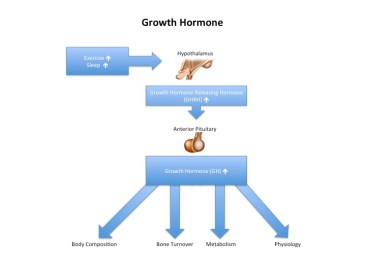
Why would athletes seek to dope with GH? GH alters body composition by increasing lean mass and decreasing fat mass, a potential advantage for power sports. In addition to this anabolic effect, GH is potentially advantageous to physiology and metabolism in endurance sport by increasing use of lipid over glycogen as a substrate. However there are serious side effects of elevated GH levels as seen in patients suffering with acromegaly: including increased risk of diabetes mellitus, hypertension and cancer.

One of the challenges we encountered in developing a dope test for GH was that endogenously secreted growth hormone was virtually identical to the manufactured product. In addition, this peptide hormone is released episodically in a pulsatile manner and has a short plasma half life. So early on it was realised that direct measurement of growth hormone was not a reliable option, rather quantification of indirect plasma markers would be required. In turn that meant investigating the pharmacokinetic properties of these markers in exercising people.

So far so good. However what are the “normal” ranges for growth hormone and these secondary markers in elite athletes? The ranges used in the usual clinical hospital setting may not be accurate as exercise is a major stimulus for growth hormone release. Part of the reason elite athletes are better than amateur athletes is that they may have slightly different physiology and/or genetically determined physiology that responds more rapidly to training than the rest of us. So the first step was establishing what normal ranges are for growth hormone and its associated markers in elite athletes. Cue trips to Manchester velodrome with portable centrifuges, taking blood from Olympic medal winning rowers at the British Olympic Park and numerous evenings performing VO2 max tests on athletes.

Throughout this research I was struck by the desire of the elite athletes to participate in a study that would identify cheats, allowing them, as clean athletes, to compete on a level playing field. This gave those of us in medical research team extra incentive to come up with the most reliable and robust test possible. Nevertheless, we were aware that an arms race was taking place, with the dopers trying equally hard to cheat our test. Ultimately, however scientifically robust a test may be, it will not succeed if there is manipulation of the samples provided. This is what makes the alleged systemic abuse of the process so ugly.

For further discussion on Endocrine and Metabolic aspects of SEM come to the BASEM annual conference 22/3/18: Health, Hormones and Human Performance

References

Sports Endocrinology – what does it have to do with performance? Dr N. Keay, British Journal of Sports Medicine

From population based norms to personalised medicine: Health, Fitness, Sports Performance Dr N.Keay, British Journal of Sport Medicine 22/2/17

Keay N, Logobardi S, Ehrnborg C, Cittadini A, Rosen T, Healy ML, Dall R, Bassett E, Pentecost C, Powrie J, Boroujerdi M, Jorgensen JOL, Sacca L. Growth hormone (GH) effects on bone and collagen turnover in healthy adults and its potential as a marker of GH abuse in sport: a double blind, placebo controlled study. Journal of Endocrinology and Metabolism. 85 (4) 1505-1512. 2000.

Wallace J, Cuneo R, Keay N, Sonksen P. Responses of markers of bone and collagen turover to exercise, growth hormone (GH) administration and GH withdrawal in trained adult males. Journal of Endocrinology and Metabolism 2000. 85 (1): 124-33

Keay N. The effects of growth hormone misuse/abuse. Use and abuse of hormonal agents: Sport 1999. Vol 7, no 3, 11-12

Wallace J, Cuneo R, Baxter R, Orskov H, Keay N, Sonksen P. Responses of the growth hormone (GH) and insulin-like factor axis to exercise,GH administration and GH withdrawal in trained adult males: a potential test for GH abuse in sport. Journal of Endocrinology and Metabolism 1999. 84 (10): 3591-601

Keay N, Logobardi S, Ehrnborg C, Cittadini A, Rosen T, Healy ML, Dall R, Bassett E, Pentecost C, Powrie J, Boroujerdi M, Jorgensen JOL, Sacca L. Growth hormone (GH) effects on bone and collagen turnover in healthy adults and its potential usefulness as in the detection of GH abuse in sport: a double blind, placebo controlled study. Endocrine Society Conference 1999

Wallace J, Cuneo R, Keay N. Bone markers and growth hormone abuse in athletes. Growth hormone and IGF Research, vol 8: 4: 348

Cuneo R, Wallace J, Keay N. Use of bone markers to detect growth hormone abuse in sport. Proceedings of Annual Scientific Meeting, Endocrine Society of Australia. August 1998, vol 41, p55

Enabling Sport Performance: part 2

Enhancing sports performance: part 3


Optimising Health, Fitness and Sports Performance for young people

Version 2Young people need information in order to make life decisions on their health, fitness and sport training with the support of their families, teachers and coaches.


As discussed in my previous blog anima sana in corpore sano, exercise has a positive effect on all aspects of health: physical, mental and social. The beneficial impact of exercise is particularly important during adolescence where bodies and minds are changing. This time period presents a window of opportunity for young people to optimise health and fitness, both in the short term and long term.

The physical benefits of exercise for young people include development of peak bone mass, body composition and enhanced cardio-metabolic health. Exercise in young people has also been shown to support cognitive ability and psychological wellbeing.

Optimising health and all aspects of fitness in young athletes is especially important in order to train and compete successfully. During this phase of growth and development, any imbalances in training, combined with changes in proportions and unfused growth plates can render young athletes more susceptible to overuse injuries. A training strategy for injury prevention in this age group includes development of neuromuscular skills when neuroplasticity is available. Pilates is an excellent form of exercise to support sport performance.

In athletes where low body weight is an advantage for aesthetic reasons or where this confers a competitive advantage, this can lead to relative energy deficiency in sport (RED-S). Previously known as the female athlete triad, this was renamed as male athletes can also be effected. The consequences of this relative energy deficiency state are negative effects on metabolic rate, menstrual function, bone health, protein synthesis and immunity. If this situation arises in young athletes, then this is of concern for current health and may have consequences for health moving into adulthood.

A well informed young person can make decisions to optimise health, fitness and sports performance.

Link to Workshops

For further discussion on Endocrine and Metabolic aspects of SEM come to the BASEM annual conference 22/3/18: Health, Hormones and Human Performance

References

Optimal Health: Especially Young Athletes! Part 3 – Consequences of Relative Energy Deficiency in Sports Dr N. Keay, British Association Sport and Exercise Medicine 13/4/17

Report from Chief Medical Officer

Cognitive benefits of exercise

Injuries in young athletes

Young people: neuromuscular skills for sports performance

IOC consensus statement\

Exercise and fitness in young people – what factors contribute to long term health? Dr N. Keay, British Journal of Sports Medicine


Ballet for Injury Prevention


Ballet is an excellent way for people of all ages to improve mobility and build strength.

g0010105
Barnes Studio

Furthermore, if athletes take Ballet classes then this can aid in injury prevention. Ballet incorporates all the elements of a balanced training session improving core strength, muscle tone, muscle dynamics, flexibility, neuromuscular skills and proprioception. Taking Ballet class also provides an interesting challenge both mentally and physically as described in amina sana corpore sano. Ballet offers something different to the usual strength and conditioning training sessions taken by athletes.

Development of neuromuscular skills is vital for young people not only for physical fitness and enabling sports performance, but to enhance cognitive ability, both in short and long term.

The American Academy of Orthopaedic Surgeons recommend that if you are tempted to try Ballet, make sure you go to a class where the teacher can ensure you learn proper technique. I teach Ballet, backed up with my experience in sport medicine and Pilates, in small class setting for individual attention and correction. Whatever your previous dance experience or current level of fitness: are you ready for the challenge and some fun?

For further discussion on Endocrine and Metabolic aspects of SEM come to the BASEM annual conference 22/3/18: Health, Hormones and Human Performance

References

Ballet

Stories

Anima sana corpore sano

Young people: neuromuscular skills for sports performance

AAOS

Amina Sana in Corpore Sano

img_0296
Barnes Studio

Why not give both your body and brain a workout simultaneously? Recall sequences of steps and translate into movement with musicality and expression. Challenge mind and body by taking a Ballet class. Develop and maintain a healthy mind in a healthy body.

A healthy mind in a healthy body: the WHO (World Health Organisation) defines health as a positive state, incorporating the elements of physical, mental and social health, not simply the absence of disease.

Medical evidence demonstrates that exercise is beneficial for the cardio vascular, respiratory, metabolic, endocrine and musculoskeletal systems. It also enhances wellbeing, through the release of endorphins.

Longer term interaction of physical and mental health is now being reported more in scientific journals and the press. Exercise has a long term positive effect on mental health. Exercise is a modifiable lifestyle factor that can decrease the risk of cognitive decline by 18-30%. The mechanism is thought to be related to blood flow to areas of the brain associated with memory.

Ballet is recommended by American Academy of Orthopaedic Surgeons as an injury prevention strategy for athletes as improves neuromuscular skills, proprioception, muscle tone and muscle dynamics.

Ballet

For further discussion on Endocrine and Metabolic aspects of SEM come to the BASEM annual conference 22/3/18: Health, Hormones and Human Performance

References

http://gpcpd.walesdeanery.org/index.php/welcome-to-motivate-2-move

http://www.businessinsider.com/master-athletes-stopped-exer…

Ballet for Injury Prevention