Factors Impacting Bone Development

Optimal body mass index (BMI) coupled with favourable body composition of lean mass and visceral fat is associated with accrual of bone mineral density (BMD) and peak bone mass (PBM) which is vital for setting up BMD within normal ranges for adult life.

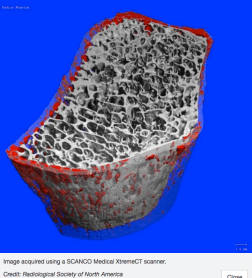
New research demonstrates that high BMI exerts a negative effect on the accumulation of BMD and bone architecture in young people. This is something of a surprise. Elevated BMI in young people is known to have a deleterious effect on cardio-metabolic health. However, to date the thinking has been that raised BMI would at least mean that weight bearing exercise would be “weighted” and hence favour accumulation of BMD. Rather it is reported that elevated BMI with increased visceral fat results in impaired bone architecture and BMD. Coupled with decreased lean mass, this means less muscle to exert force on the skeleton to promote BMD accumulation. This distorted body composition impairs attainment of PBM.screen-shot-2016-12-01-at-08-29-56
In my research, deficiency of BMD was found to be irreversible later in adult life, despite normalising body weight, shown for those at the other end of the spectrum of BMI. Those with relative energy deficiency in sports (REDs), formally known as the female athlete triad, demonstrated suboptimal BMD correlated with previous duration of low weight, amenorrhea and delayed onset of menarche, many years on despite return to optimal body weight and normal menstrual status.

Adverse body composition with increased deposition of visceral fat is seen in patients with growth hormone (GH) deficiency, for example post pituitary surgery. Interestingly in these young people with high levels of visceral fat, low levels of GH were recorded. The proposed mechanism of suppression of GH secretion in overweight young people has been discussed. Interestingly high levels of leptin are found in overweight youngsters, compared to low levels found my studies of low weight young dancers with menstrual disturbance. In other words, there appears to be feedback between body weight, body composition and the endocrine system. The other disadvantage of high levels of adipose tissue is that fat soluble vitamin D is “fat locked” and unable to support bone mineral accumulation.

Optimal BMI and body composition are factors associated with accrual of BMD and PBM which is vital for setting up BMD within normal ranges for adult life. In those young people with high BMI and disrupted body composition, dietary measures are needed to reduce body weight. Combined with exercise, including resistance and cardiovascular weight bearing forms, to improve body composition and thus bone architecture and BMD accrual.

For further discussion on Endocrine and Metabolic aspects of SEM come to the BASEM annual conference 22/3/18: Health, Hormones and Human Performance

References

Optimal health: including female athletes! Part 1 Bones Dr N. Keay, British Journal Sport Medicine

Optimal Health: Especially Young Athletes! Part 3 – Consequences of Relative Energy Deficiency in Sports Dr N. Keay, British Association Sport and Exercise Medicine

Science Daily

EurekaAlert

Paediatric Reports

Health and Fitness in young people

Recent reports reveal that children in Britain are amongst the least active in the world. At the other end of the spectrum there have been a cluster of articles outlining the pitfalls of early specialisation in a single sport.

Regarding the reports of lack of physical activity amongst young people in Britain, this is of concern not only for their current physical and cognitive ability, but has repercussions for health in adult life. Research demonstrates that young people with low cardiovascular fitness have an increased risk of developing cardiovascular disease in adult life. Conversely, the beneficial effects of weight bearing exercise in prepubescent girls has been shown to enhance bone mineral density accumulation, which will have beneficial impact on peak bone mass. However, as I found in my longitudinal studies, the level of exercise has to be in conjunction with an appropriate, well-balanced diet to avoid relative energy deficiency deficiency in sport (RED-S), which can compromise bone mineral density accumulation.m-running

At the other end of the scale, early specialisation in a single sport does not necessarily guarantee long term success. Rather, this can increase the risk of overuse injury in developing bodies, which in turn has long term consequences. Ensuring that all elements of fitness are considered may be an injury prevention strategy. I agree that injury prevention can be viewed as part of optimising sports performance, especially in young athletes for both the present and in the long term.

Sleep is a vital element in optimising health and fitness, especially in young people who may be tempted to look at mobiles or screens of other mobile devices which delays falling asleep by decreasing melatonin production. Sleep promotes mental freshness and physical elements such as boosting immunity and endogenous release of growth hormone. As Macbeth put it, sleep is the “chief nourisher in life’s great feast”.

A balanced approach to health and fitness should be promoted, with young people encouraged to take part in a range of sporting activities.

For further discussion on Endocrine and Metabolic aspects of SEM come to the BASEM annual conference 22/3/18: Health, Hormones and Human Performance

References

Young athletes’ optimal health: Part 3 Consequences of Relative Energy Deficiency in sports Dr N. Keay, British Association Sport and Exercise Medicine, 13/4/17

Sleep for health and sports performance Dr N. Keay, British Journal Sport Medicine, 7/2/17

Optimising health, fitness and sports performance for young people Dr N. Keay, British Journal Sport Medicine

Telegraph article

Active Healthy Kids global alliance

Poor cardiovascular fitness in young people risk for developing cardiovascular disease 

Sports Specialization in Young Athletes

IOC consensus statement on youth athletic development British Journal Sport Medicine

Optimising Health, Fitness and Sports Performance for young people

Version 2Young people need information in order to make life decisions on their health, fitness and sport training with the support of their families, teachers and coaches.

As discussed in my previous blog anima sana in corpore sano, exercise has a positive effect on all aspects of health: physical, mental and social. The beneficial impact of exercise is particularly important during adolescence where bodies and minds are changing. This time period presents a window of opportunity for young people to optimise health and fitness, both in the short term and long term.

The physical benefits of exercise for young people include development of peak bone mass, body composition and enhanced cardio-metabolic health. Exercise in young people has also been shown to support cognitive ability and psychological wellbeing.

Optimising health and all aspects of fitness in young athletes is especially important in order to train and compete successfully. During this phase of growth and development, any imbalances in training, combined with changes in proportions and unfused growth plates can render young athletes more susceptible to overuse injuries. A training strategy for injury prevention in this age group includes development of neuromuscular skills when neuroplasticity is available. Pilates is an excellent form of exercise to support sport performance.

In athletes where low body weight is an advantage for aesthetic reasons or where this confers a competitive advantage, this can lead to relative energy deficiency in sport (RED-S). Previously known as the female athlete triad, this was renamed as male athletes can also be effected. The consequences of this relative energy deficiency state are negative effects on metabolic rate, menstrual function, bone health, protein synthesis and immunity. If this situation arises in young athletes, then this is of concern for current health and may have consequences for health moving into adulthood.

A well informed young person can make decisions to optimise health, fitness and sports performance.

Link to Workshops

For further discussion on Endocrine and Metabolic aspects of SEM come to the BASEM annual conference 22/3/18: Health, Hormones and Human Performance

References

Optimal Health: Especially Young Athletes! Part 3 – Consequences of Relative Energy Deficiency in Sports Dr N. Keay, British Association Sport and Exercise Medicine 13/4/17

Report from Chief Medical Officer

Cognitive benefits of exercise

Injuries in young athletes

Young people: neuromuscular skills for sports performance

IOC consensus statement\

Exercise and fitness in young people – what factors contribute to long term health? Dr N. Keay, British Journal of Sports Medicine